Around Alaska
Conditions vary across the state. Choose your city below, then describe what’s happening around your home or business.
Local fruit fly information
Learn what to look for around your property, explore your city, and ask about an inspection or a quote.
Conditions vary across the state. Choose your city below, then describe what’s happening around your home or business.
Where you see fruit flies, how long it has been going on, and anything you’ve already tried are the most useful details to mention.
Ask about an inspection, what treatment would involve, and whether follow-up visits are included. You don’t need to identify the problem yourself before getting in touch.
Before you compare quotes, it helps to know which fruit flies actually live in Alaska, when they are busiest, and what the state figures look like. Everything below links to the agency or university page it came from.
There is no reported commercial soft-fruit crop in Alaska to seed outdoor vinegar fly populations, so fruit flies here are an indoor problem originating with imported produce, drains and compost.
USDA National Agricultural Statistics ServiceIndoor vermicomposting is common in Alaska because outdoor composting stalls in winter, and an uncovered bin is one of the few year-round fruit fly breeding sites in a northern home.
University of Alaska Fairbanks Cooperative Extension ServiceIn Alaska homes the small flies circling a room in winter are more often houseplant fungus gnats than fruit flies, and the fix is drier soil rather than a fruit-baited trap.
University of Alaska Fairbanks Cooperative Extension ServiceUAF Cooperative Extension publishes no seasonal fruit fly window for Alaska; the sources it does publish tie small indoor flies to year-round indoor sources such as worm bins and overwatered houseplants rather than to an outdoor season.
Alaska is genuinely thin. UAF Cooperative Extension has no fruit fly fact sheet, and its pantry pest guide (HGA-00062) does not mention fruit flies at all. The only CES guidance that names fruit flies is the worm-composting publication, which recommends burying all food waste, using a covered tote, and mixing in dry bedding and garden lime rather than relying on traps.
Sources: USDA National Agricultural Statistics Service; University of Alaska Fairbanks Cooperative Extension Service; University of Maryland Extension; Texas A&M AgriLife Extension. Figures are quoted as the source prints them. How we check our sources

Subarctic · urban setting
Read the local guide →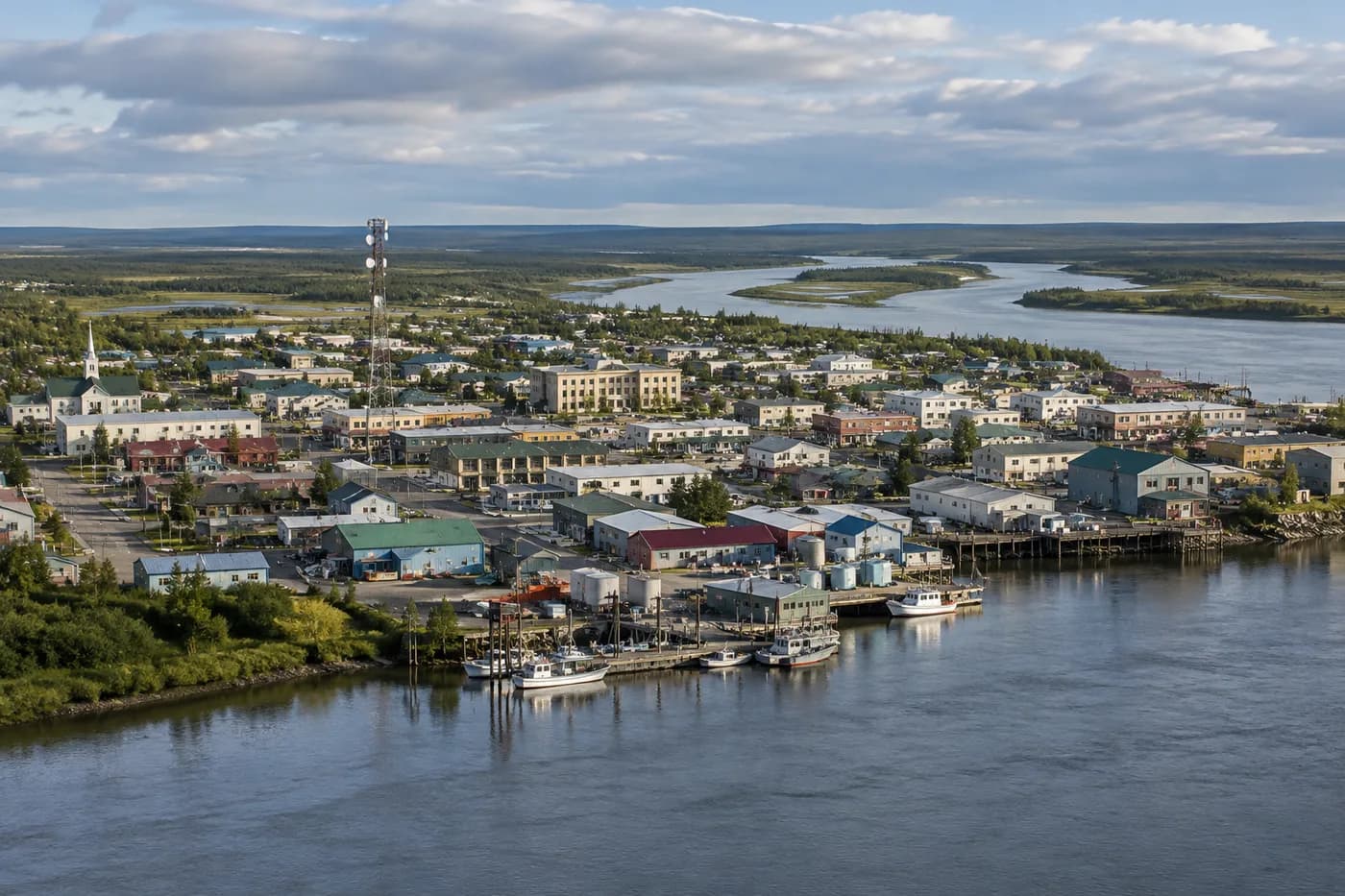
Subarctic · rural setting
Read the local guide →
Subarctic · suburban setting
Read the local guide →
Marine West Coast · suburban setting
Read the local guide →
Subarctic · rural setting
Read the local guide →
Marine West Coast · rural setting
Read the local guide →
Marine West Coast · rural setting
Read the local guide →
Marine West Coast · rural setting
Read the local guide →
Subarctic · suburban setting
Read the local guide →
Subarctic · rural setting
Read the local guide →