Around Arizona
Conditions vary across the state. Choose your city below, then describe what’s happening around your home or business.
Local fruit fly information
Learn what to look for around your property, explore your city, and ask about an inspection or a quote.

Conditions vary across the state. Choose your city below, then describe what’s happening around your home or business.
Where you see fruit flies, how long it has been going on, and anything you’ve already tried are the most useful details to mention.
Ask about an inspection, what treatment would involve, and whether follow-up visits are included. You don’t need to identify the problem yourself before getting in touch.
Before you compare quotes, it helps to know which fruit flies actually live in Arizona, when they are busiest, and what the state figures look like. Everything below links to the agency or university page it came from.
In Arizona homes and bars the sugary-drink source matters as much as fruit: soda residue in a recycling bin or a floor mat will hold a population after the fruit is gone.
University of Arizona Cooperative ExtensionAt typical Arizona indoor temperatures a missed breeding source produces a new generation of adults in roughly two weeks, which is why removing the source beats killing adults.
University of Arizona Cooperative ExtensionFor an Arizona restaurant operator, small flies at a floor drain are a documented food-prep-area pest with a specific fix: unclog and scrub the drain rather than spray.
University of Arizona Cooperative ExtensionArizona Cooperative Extension says only that flies "are especially active during warm summer months" statewide; it publishes no fruit-fly-specific season, and indoor breeding continues year-round wherever a source exists.
University of Arizona Cooperative Extension's AZ2052 puts prevention first: keep food prep surfaces, sinks, drains and utensils free of food residues; cover prepared food and bag ripening fruit; rinse cans, bottles and containers before recycling; clean sinks and drains regularly and keep them unclogged and free of organic matter; store mops head-up so they dry; and fix indoor leaks promptly.
Sources: University of Arizona Cooperative Extension; University of Maryland Extension; Texas A&M AgriLife Extension. Figures are quoted as the source prints them. How we check our sources

Hot Desert · suburban setting
Read the local guide →
Hot Desert · suburban setting
Read the local guide →
Hot Desert · suburban setting
Read the local guide →
Hot Desert · urban setting
Read the local guide →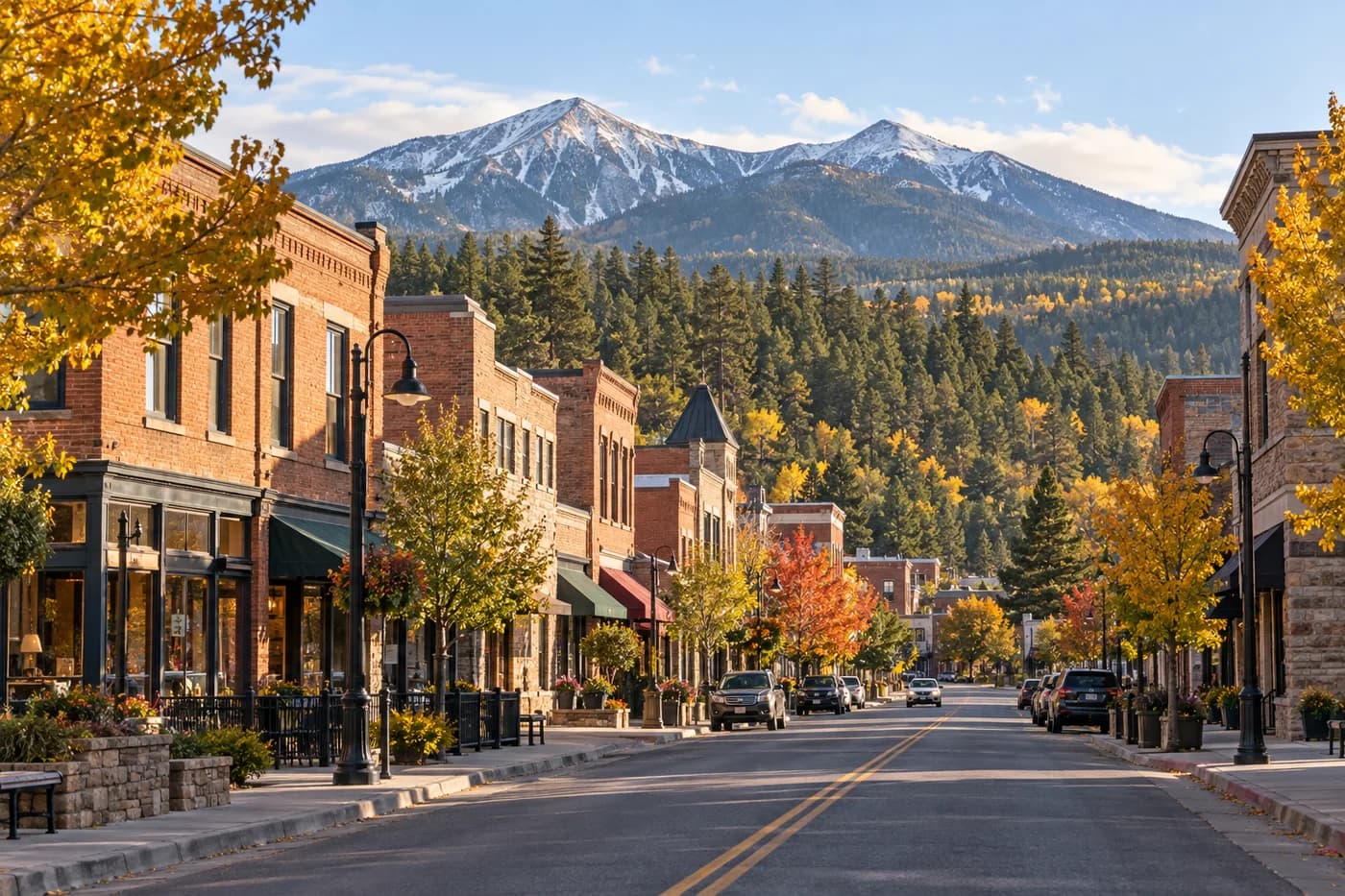
Mountain Semi-Arid · suburban setting
Read the local guide →
Hot Desert · suburban setting
Read the local guide →
Hot Desert · urban setting
Read the local guide →
Hot Desert · suburban setting
Read the local guide →
Hot Desert · suburban setting
Read the local guide →
Hot Desert · urban setting
Read the local guide →
Hot Desert · suburban setting
Read the local guide →Hot Desert · urban setting
Read the local guide →
Mountain Semi-Arid · suburban setting
Read the local guide →
Hot Desert · urban setting
Read the local guide →
Semi-Arid · suburban setting
Read the local guide →
Hot Desert · suburban setting
Read the local guide →
Hot Desert · urban setting
Read the local guide →
Hot Desert · urban setting
Read the local guide →
Hot Desert · suburban setting
Read the local guide →
Hot Desert · suburban setting
Read the local guide →