Around Hawaii
Conditions vary across the state. Choose your city below, then describe what’s happening around your home or business.
Local fruit fly information
Learn what to look for around your property, explore your city, and ask about an inspection or a quote.
Conditions vary across the state. Choose your city below, then describe what’s happening around your home or business.
Where you see fruit flies, how long it has been going on, and anything you’ve already tried are the most useful details to mention.
Ask about an inspection, what treatment would involve, and whether follow-up visits are included. You don’t need to identify the problem yourself before getting in touch.
Before you compare quotes, it helps to know which fruit flies actually live in Hawaii, when they are busiest, and what the state figures look like. Everything below links to the agency or university page it came from.
These are true agricultural tephritids that attack sound fruit on the tree, and they are a different problem from the indoor vinegar fly (Drosophila melanogaster) that breeds in kitchen drains and overripe produce.
University of Hawaii at Manoa College of Tropical Agriculture and Human Resources (CTAHR) Cooperative Extension ServiceWith hundreds of host plants, backyard guava, mango and papaya in Hawaii act as a constant fruit fly reservoir, and dropped infested fruit around a home also feeds ordinary vinegar flies once it starts to ferment.
University of Hawaii at Manoa College of Tropical Agriculture and Human Resources (CTAHR) Cooperative Extension ServiceThere is effectively no elevation in Hawaii where a homeowner is out of range, and the reproductive rate explains how quickly dropped fruit under a tree becomes a fly source.
University of Hawaii at Manoa College of Tropical Agriculture and Human Resources (CTAHR) Cooperative Extension ServiceHawaii's climate gives fruit flies no true off-season: CTAHR notes development speeds up in warm conditions and the four tephritid species occupy different elevations and rainfall zones year-round, so indoor vinegar fly pressure follows whatever fruit is ripening rather than a calendar season.
CTAHR's guidance for Hawaii is that no single solution exists and control must combine sanitation, monitoring, host identification, harvesting fruit under-ripe where possible (papayas are usually fruit fly-free if picked less than one quarter ripe), and exclusion using screen-houses or netting. Note that this CTAHR publication addresses agricultural tephritid fruit flies, not the indoor vinegar fly; for a kitchen infestation the relevant target is fermenting residue in drains and produce.
Sources: University of Hawaii at Manoa College of Tropical Agriculture and Human Resources (CTAHR) Cooperative Extension Service; University of Maryland Extension; Texas A&M AgriLife Extension. Figures are quoted as the source prints them. How we check our sources
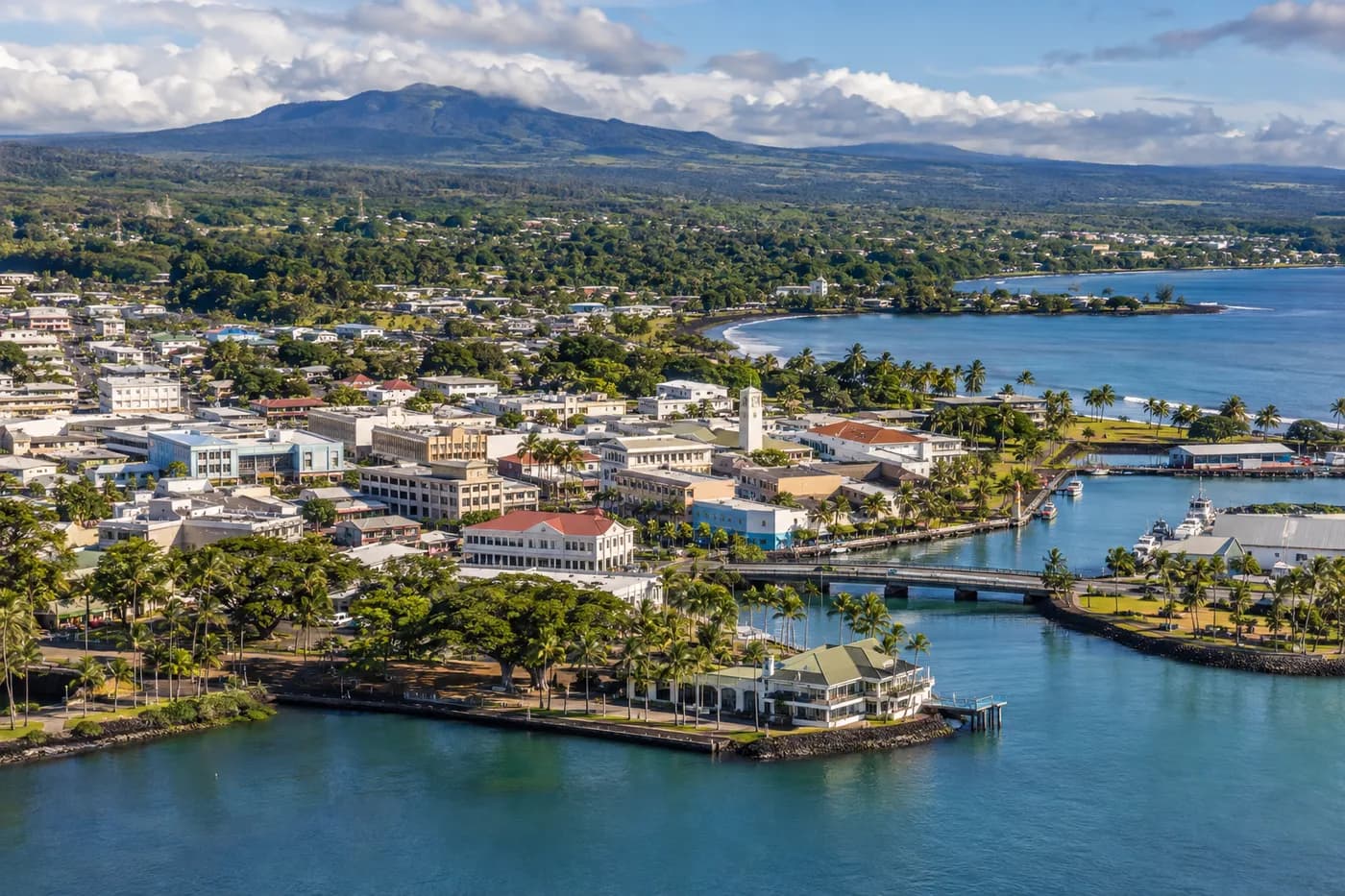
Tropical Rainforest · suburban setting
Read the local guide →
Tropical · urban setting
Read the local guide →
Tropical · suburban setting
Read the local guide →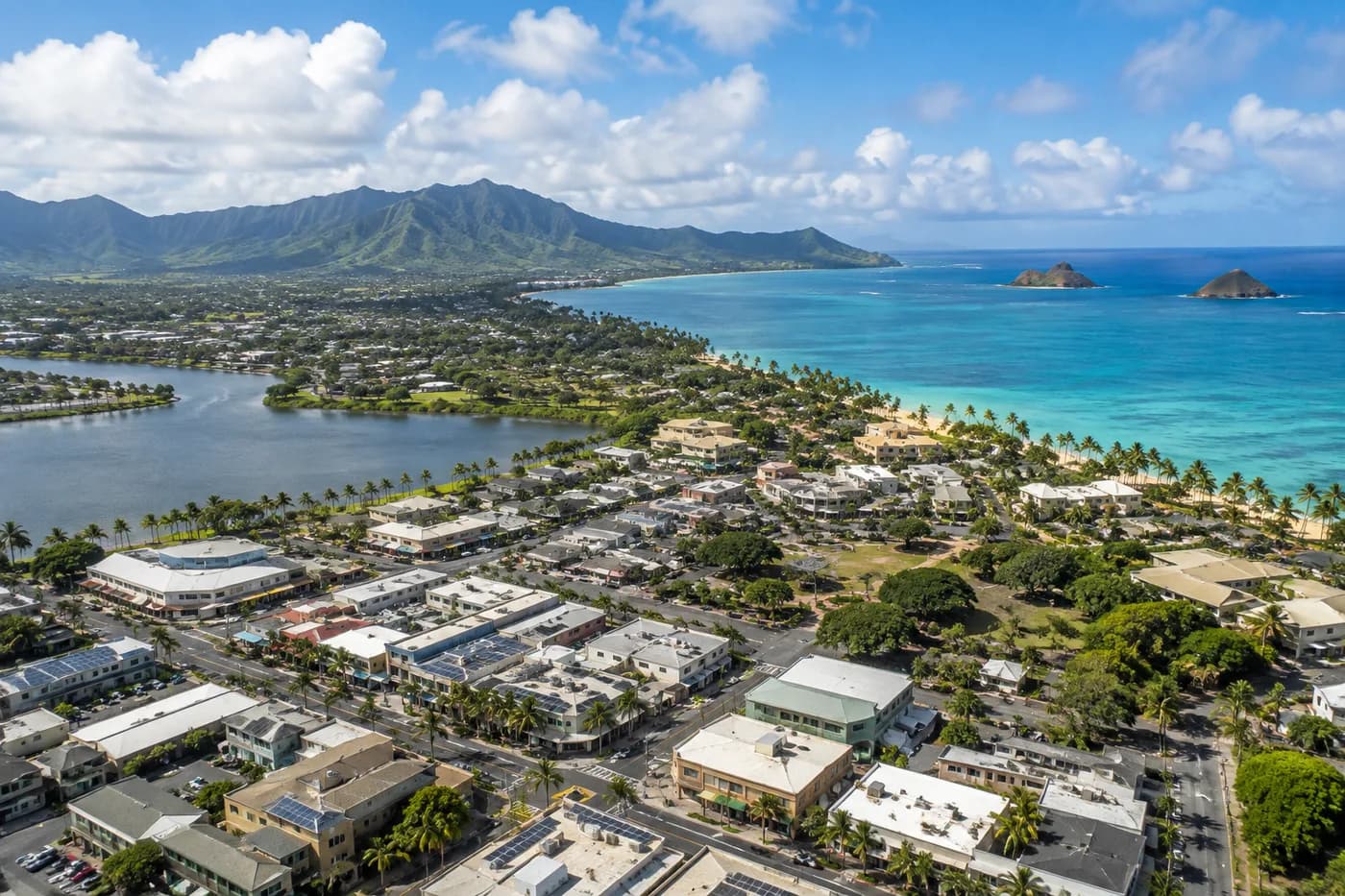
Tropical · suburban setting
Read the local guide →
Tropical · suburban setting
Read the local guide →
Tropical · suburban setting
Read the local guide →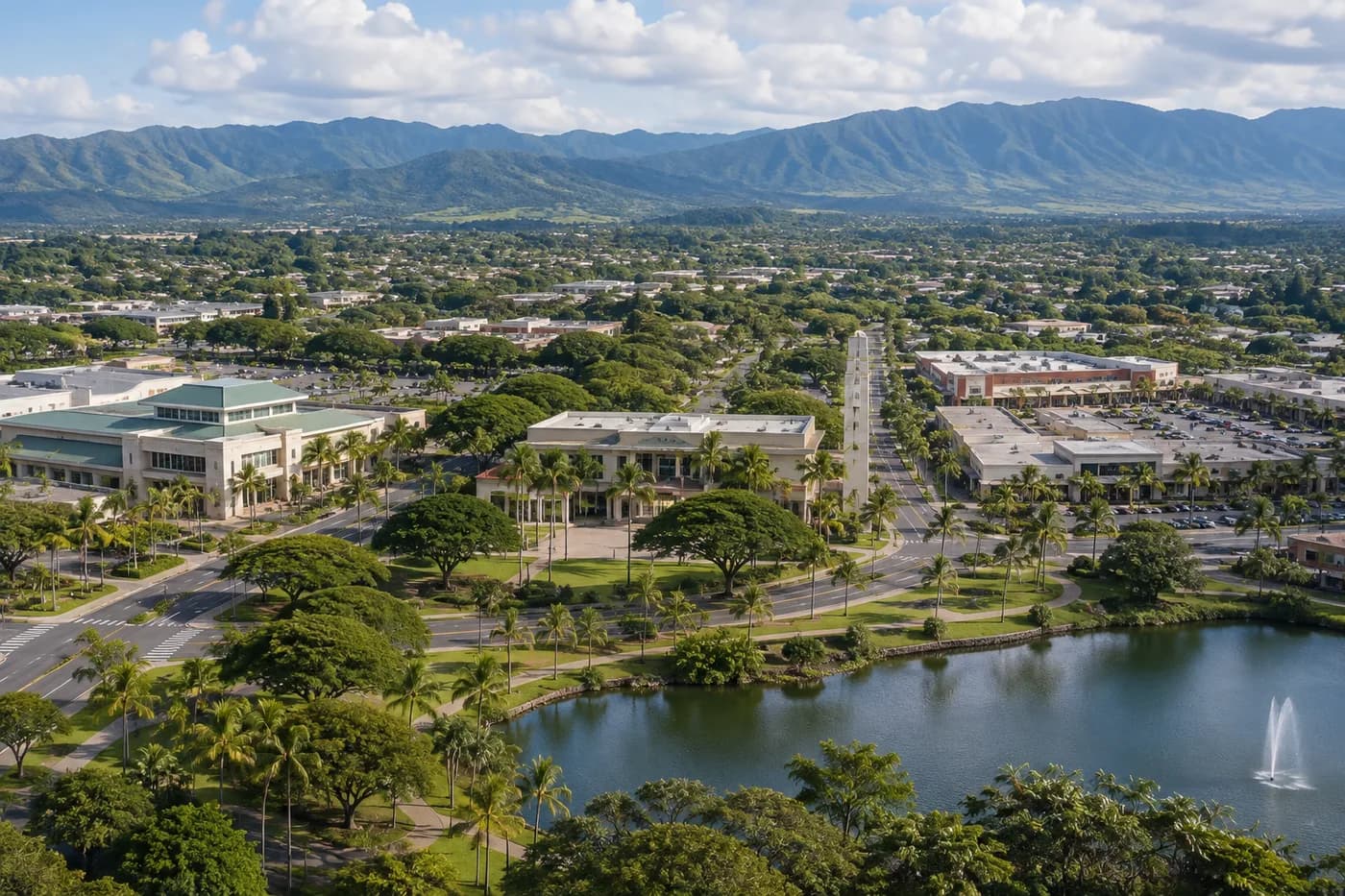
Tropical · suburban setting
Read the local guide →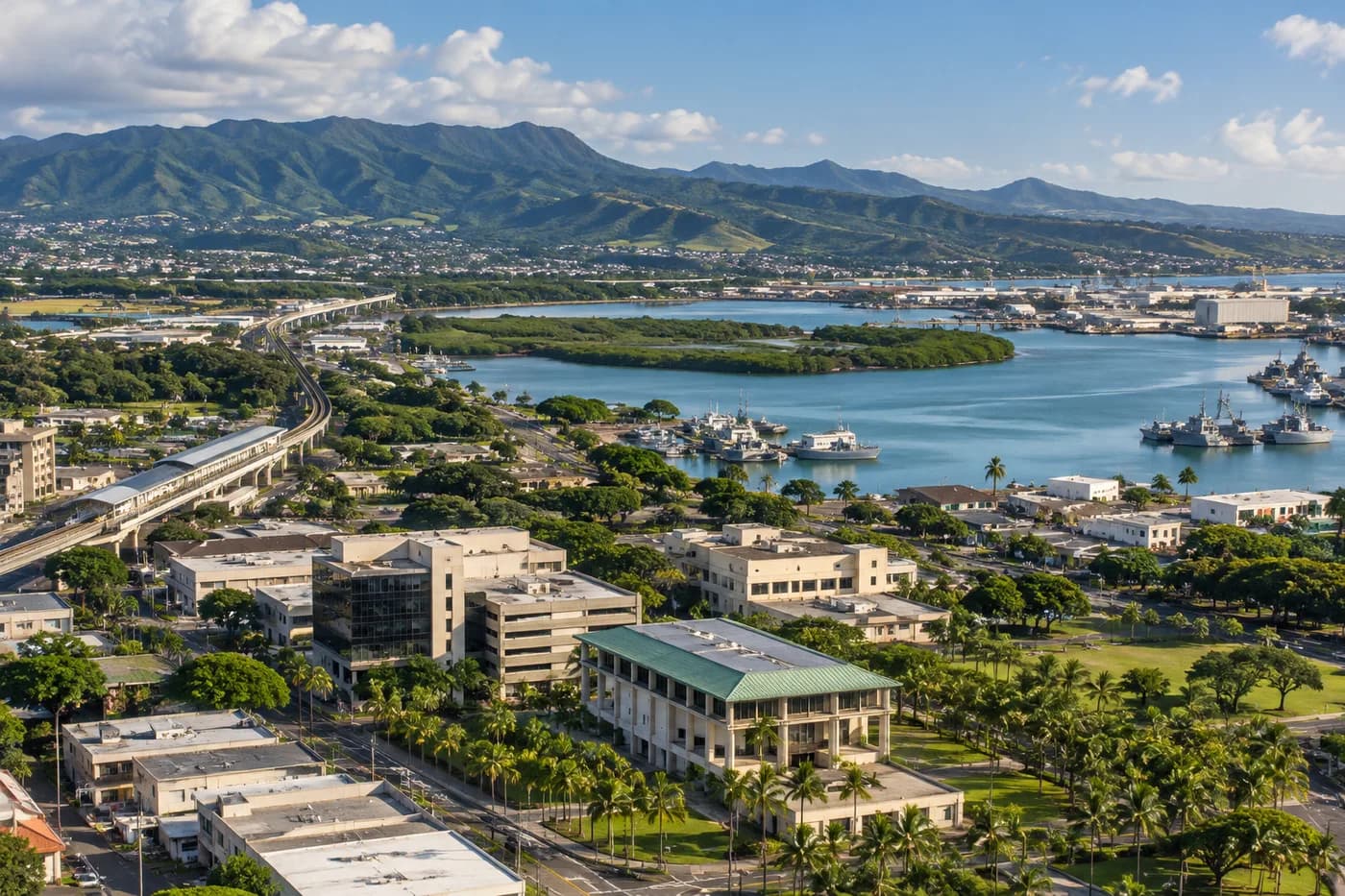
Tropical · urban setting
Read the local guide →