Around Idaho
Conditions vary across the state. Choose your city below, then describe what’s happening around your home or business.
Local fruit fly information
Learn what to look for around your property, explore your city, and ask about an inspection or a quote.
Conditions vary across the state. Choose your city below, then describe what’s happening around your home or business.
Where you see fruit flies, how long it has been going on, and anything you’ve already tried are the most useful details to mention.
Ask about an inspection, what treatment would involve, and whether follow-up visits are included. You don’t need to identify the problem yourself before getting in touch.
Before you compare quotes, it helps to know which fruit flies actually live in Idaho, when they are busiest, and what the state figures look like. Everything below links to the agency or university page it came from.
Idaho's first record came from a homeowner's backyard cherries, not a commercial orchard, which is a useful reminder that residential fruit trees are where most Idaho residents will first meet this fly.
Idaho State Department of AgricultureFor an Idaho homeowner this distinguishes the outdoor orchard pest from the ordinary kitchen vinegar fly, which still needs fermenting material to breed.
Idaho State Department of AgricultureThe same apple cider vinegar attractant Idaho recommends outdoors is what makes an open vinegar or wine bottle indoors such an effective accidental fruit fly trap.
Idaho State Department of AgricultureThe Idaho State Department of Agriculture advises beginning SWD monitoring once daily temperatures exceed 50 degrees F for several days in spring, and pressure continues through the cherry, berry and grape harvest; indoor vinegar fly complaints follow the same late-summer and fall harvest window.
The Idaho State Department of Agriculture recommends that all home gardeners and growers do their own on-site monitoring using a home-built cup trap baited with apple cider vinegar or sweet white wine, checked and rebaited weekly, with one trap per acre.
Sources: Idaho State Department of Agriculture; University of Maryland Extension; Texas A&M AgriLife Extension. Figures are quoted as the source prints them. How we check our sources
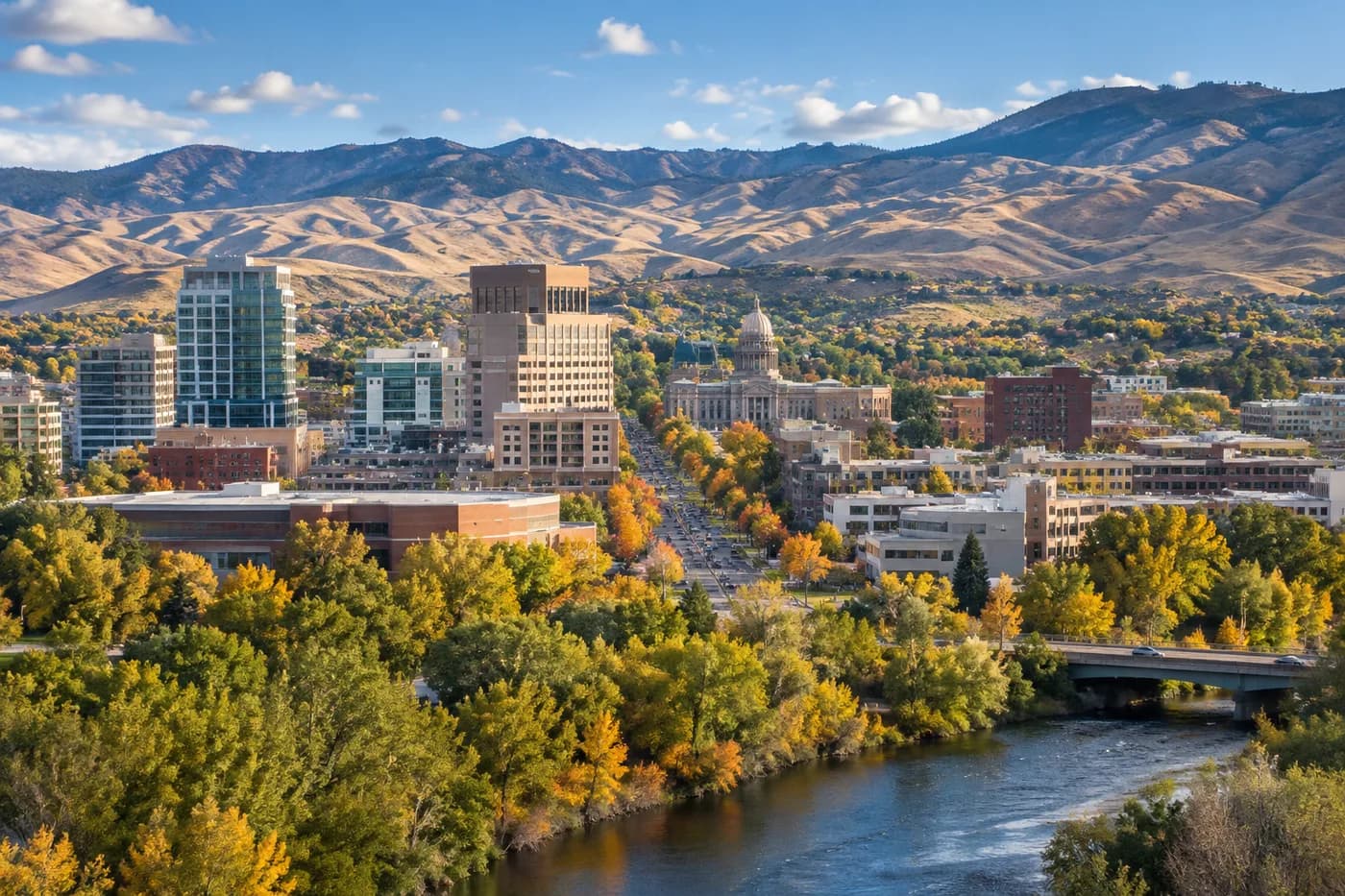
Semi-Arid Continental · urban setting
Read the local guide →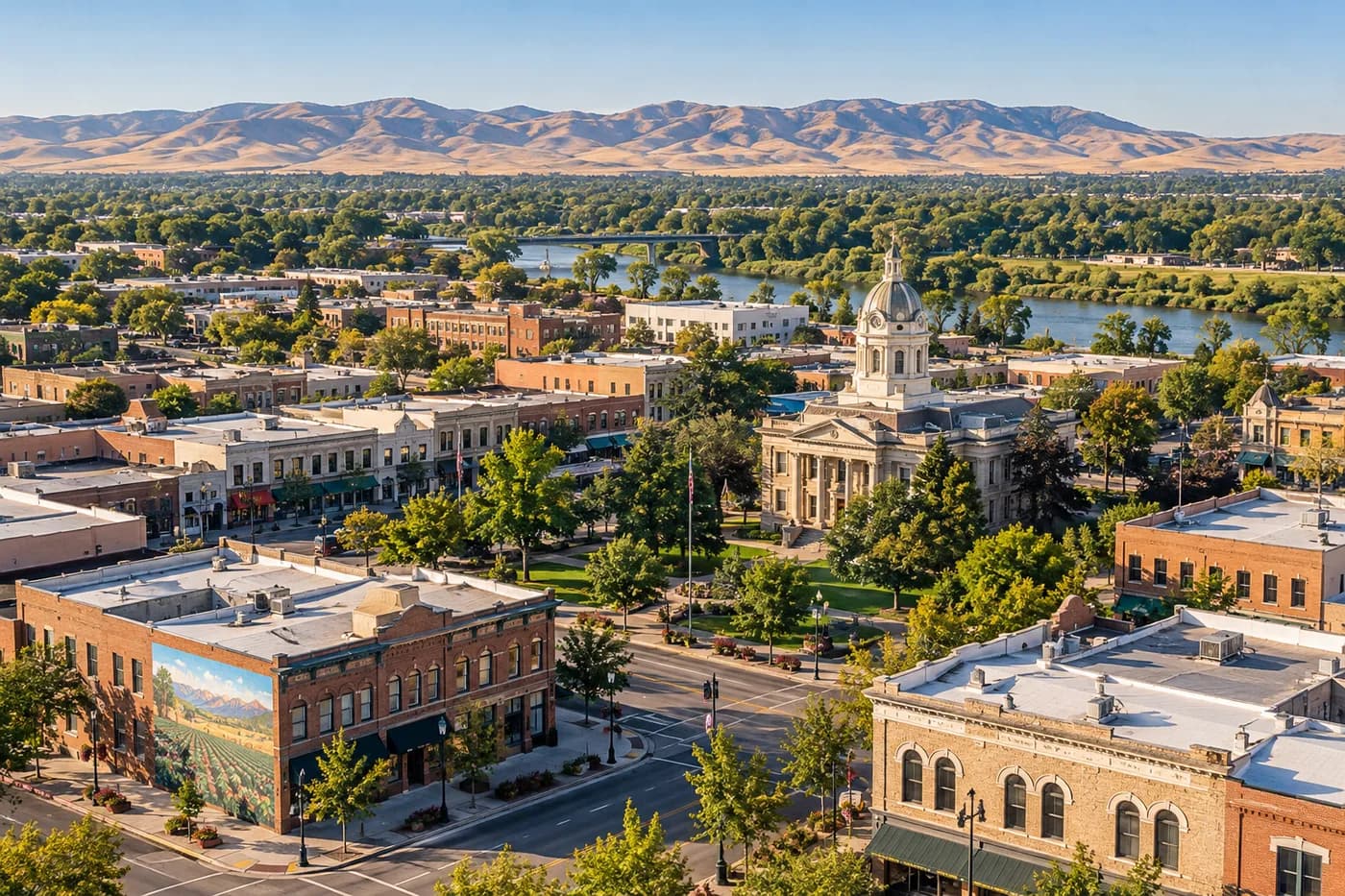
Semi-Arid Continental · suburban setting
Read the local guide →
Humid Continental · suburban setting
Read the local guide →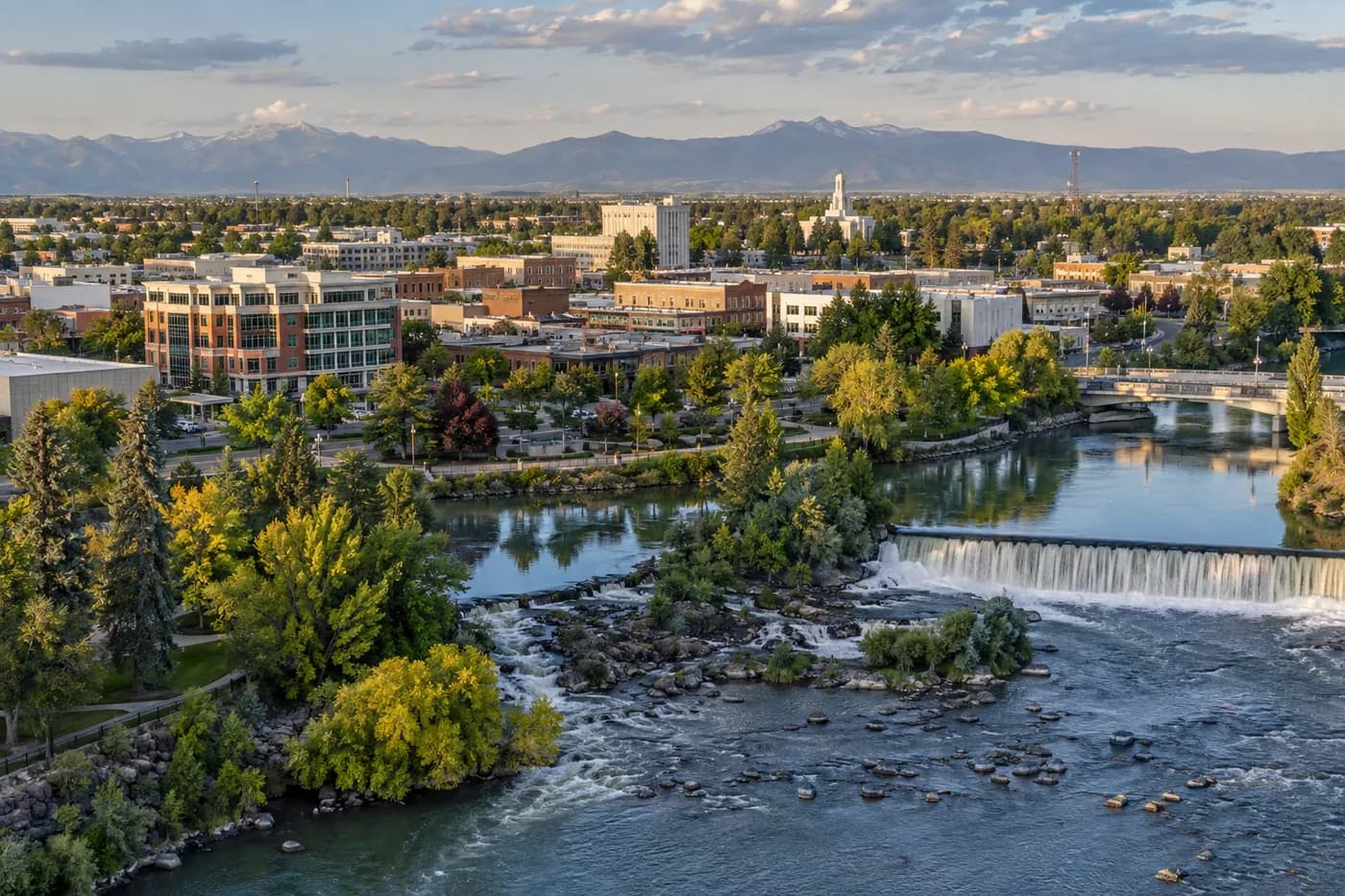
Semi-Arid Continental · suburban setting
Read the local guide →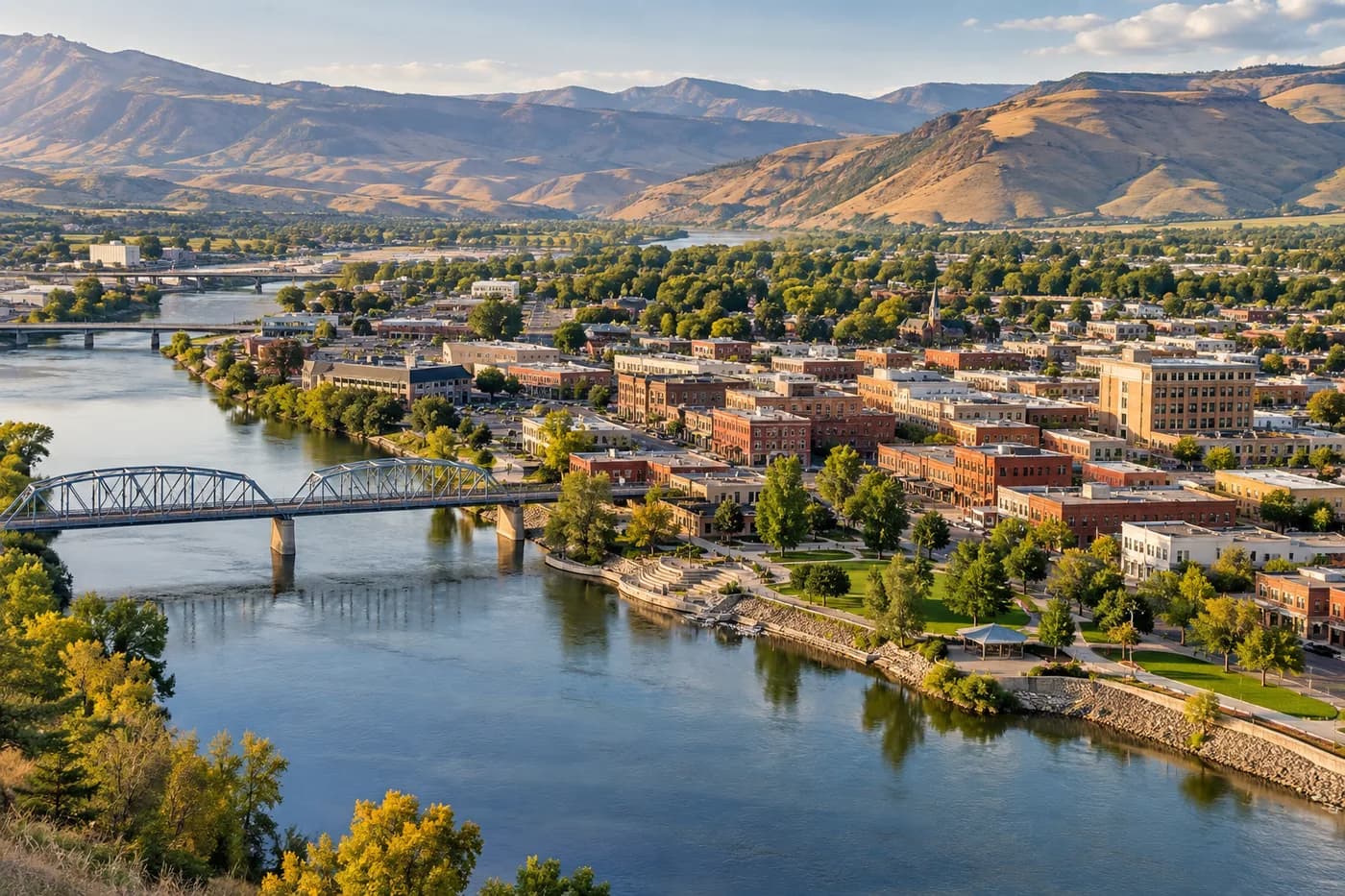
Semi-Arid Continental · suburban setting
Read the local guide →
Semi-Arid Continental · suburban setting
Read the local guide →
Warm Summer Continental · suburban setting
Read the local guide →
Semi-Arid Continental · suburban setting
Read the local guide →
Semi-Arid Continental · suburban setting
Read the local guide →
Humid Continental · suburban setting
Read the local guide →
Warm Summer Continental · rural setting
Read the local guide →
Semi-Arid Continental · suburban setting
Read the local guide →
Semi-Arid Continental · rural setting
Read the local guide →