Around Nebraska
Conditions vary across the state. Choose your city below, then describe what’s happening around your home or business.
Local fruit fly information
Learn what to look for around your property, explore your city, and ask about an inspection or a quote.
Conditions vary across the state. Choose your city below, then describe what’s happening around your home or business.
Where you see fruit flies, how long it has been going on, and anything you’ve already tried are the most useful details to mention.
Ask about an inspection, what treatment would involve, and whether follow-up visits are included. You don’t need to identify the problem yourself before getting in touch.
Before you compare quotes, it helps to know which fruit flies actually live in Nebraska, when they are busiest, and what the state figures look like. Everything below links to the agency or university page it came from.
Nebraska backyard bramble and grape growers can get SWD in ripening fruit, which then follows the fruit indoors.
University of Nebraska-Lincoln Extension (CropWatch)Nebraska Extension's advice is that a fall surge means a breeding source somewhere in the house, not flies coming in from outside.
Nebraska Extension in Lancaster CountyMops and recycling bins are the two sources Nebraska homeowners and small restaurants most often miss.
Nebraska Extension in Lancaster CountyIndoor fruit fly complaints in Nebraska peak in late summer and fall, matching both the garden harvest and the season when SWD populations are highest.
Nebraska Extension says no pesticides are needed for household fruit flies: refrigerate produce, sanitize surfaces, rinse recyclables, empty trash weekly, freeze compost material, and set an apple cider vinegar trap with dish soap. Extension also warns that red eyes are the giveaway separating fruit flies from similar-looking fungus gnats. For fruit crops, UNL publication G2236 recommends a half-inch of apple cider vinegar in a lidded container with 1/8-inch holes, placed in shade among host plants, with highest SWD populations in late summer.
Sources: University of Nebraska-Lincoln Extension (CropWatch); Nebraska Extension in Lancaster County; University of Maryland Extension; Texas A&M AgriLife Extension. Figures are quoted as the source prints them. How we check our sources
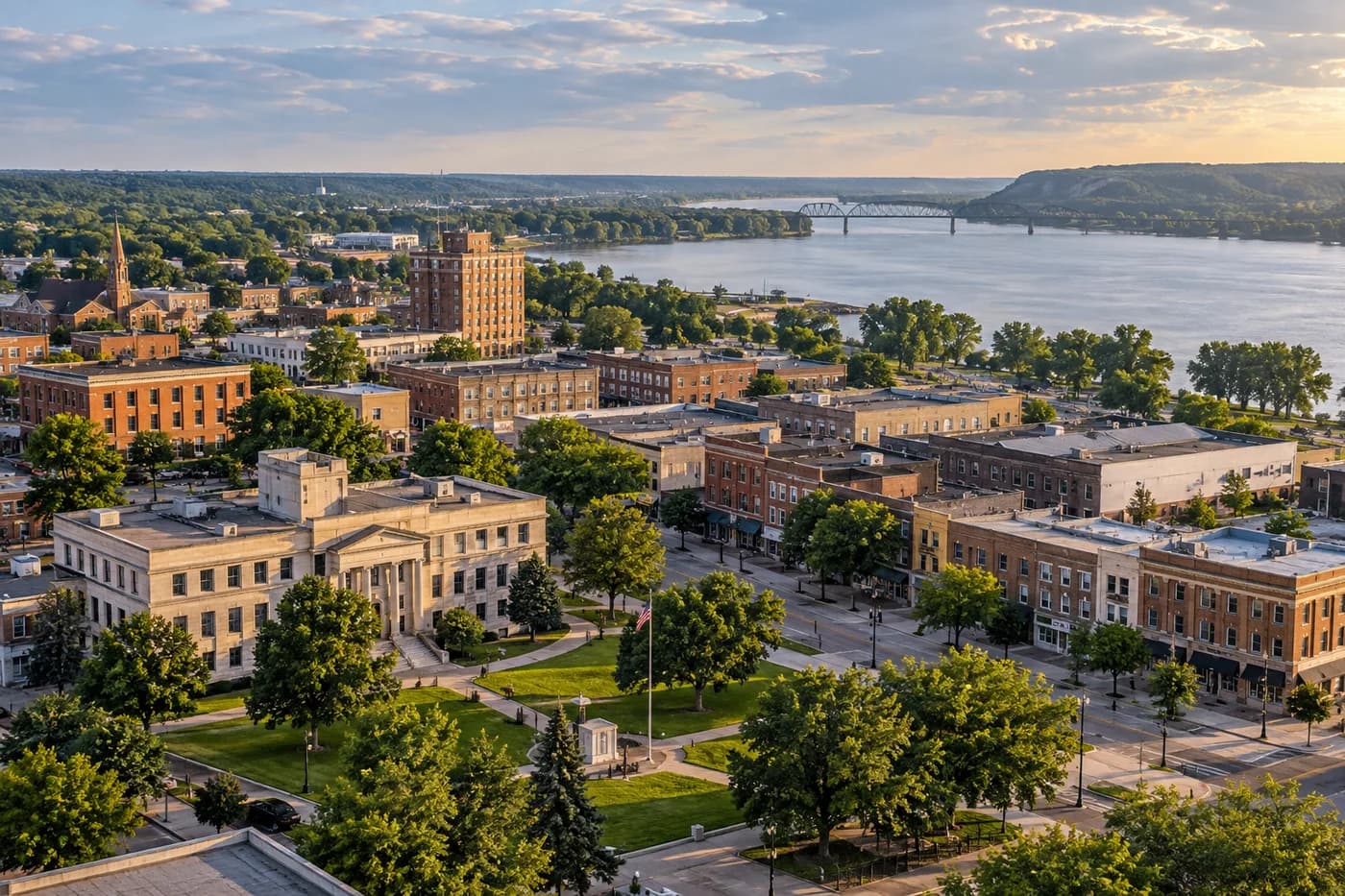
Humid Continental · suburban setting
Read the local guide →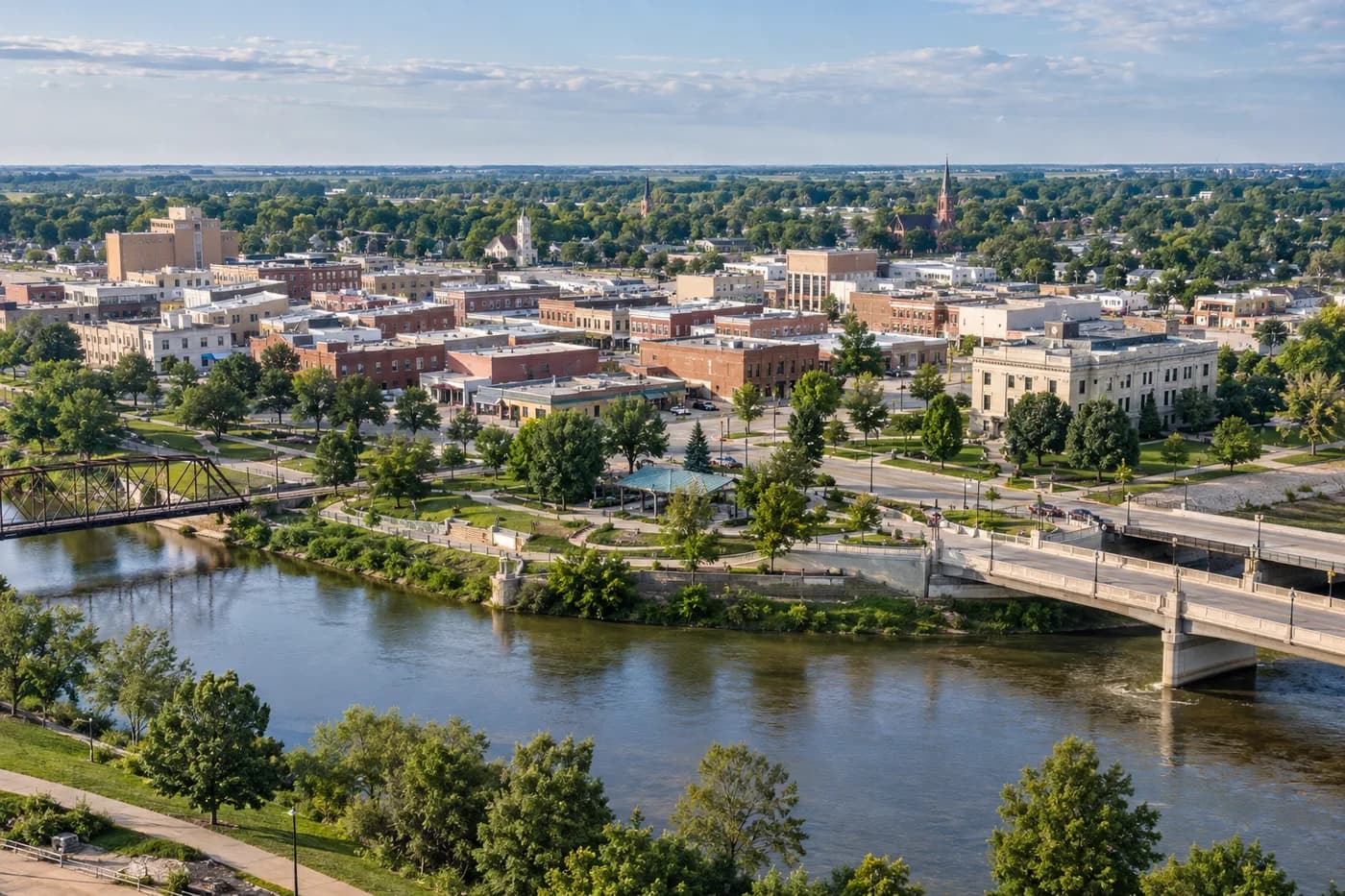
Humid Continental · rural setting
Read the local guide →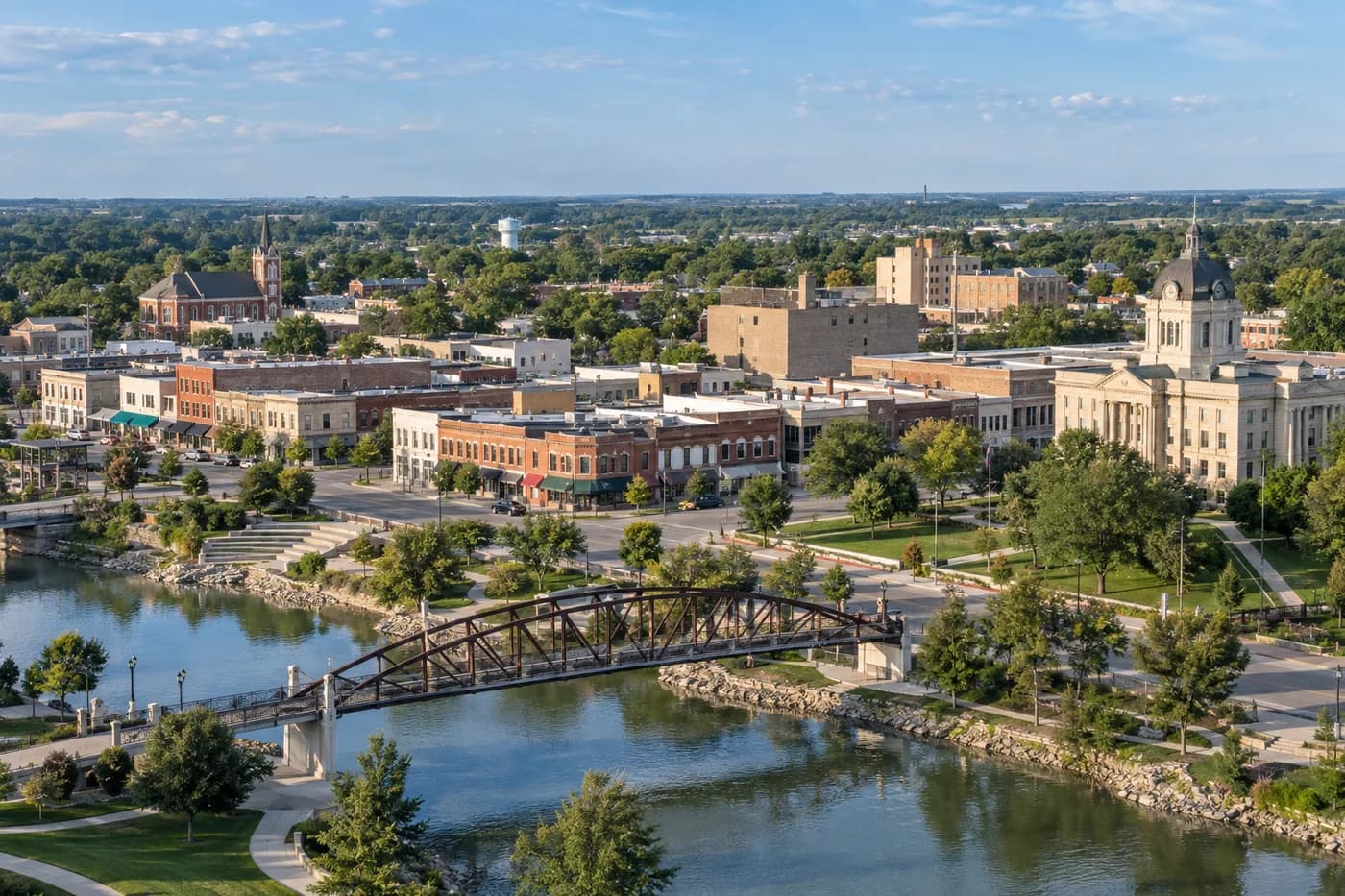
Humid Continental · rural setting
Read the local guide →
Humid Continental · suburban setting
Read the local guide →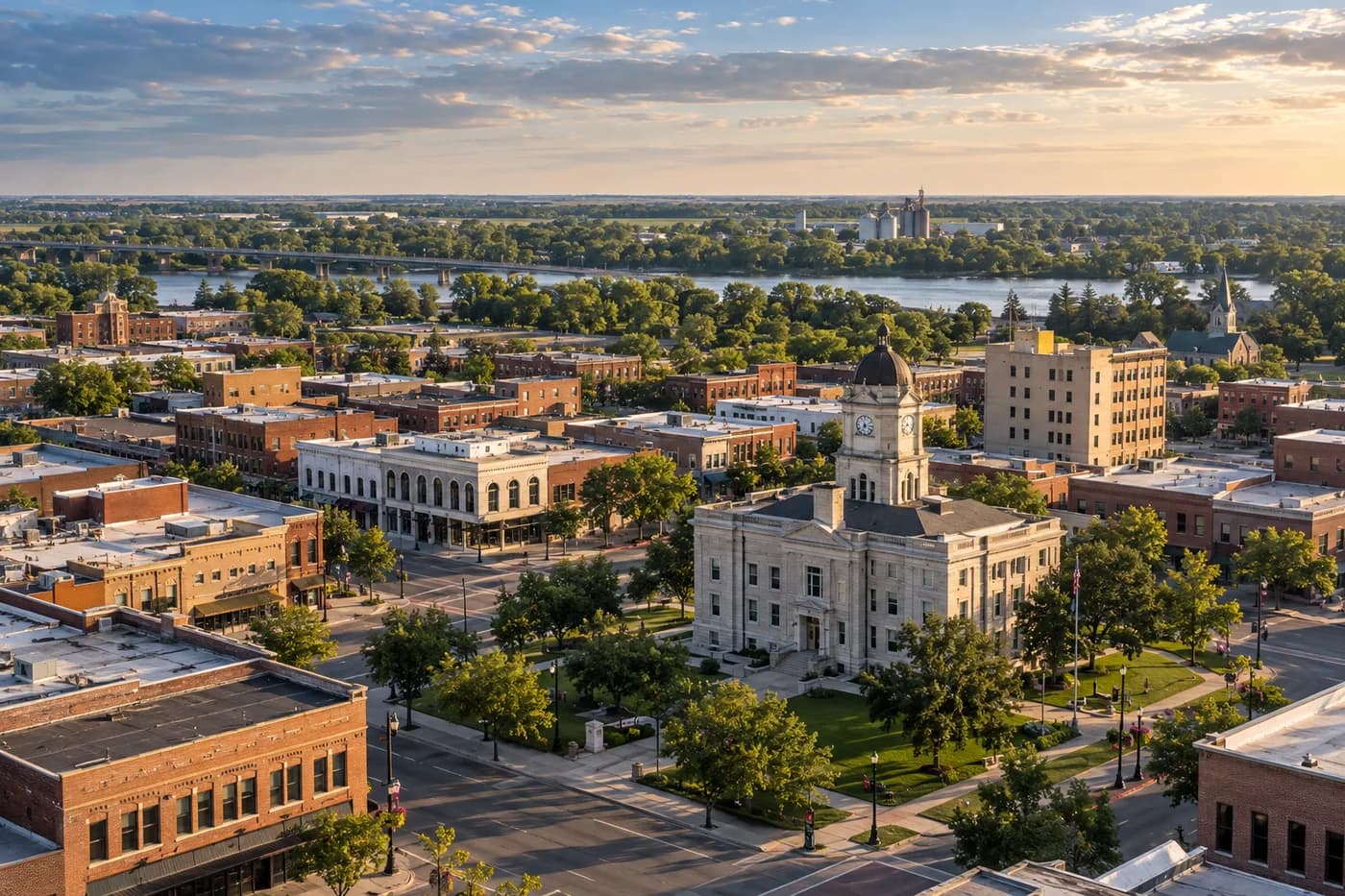
Humid Continental · rural setting
Read the local guide →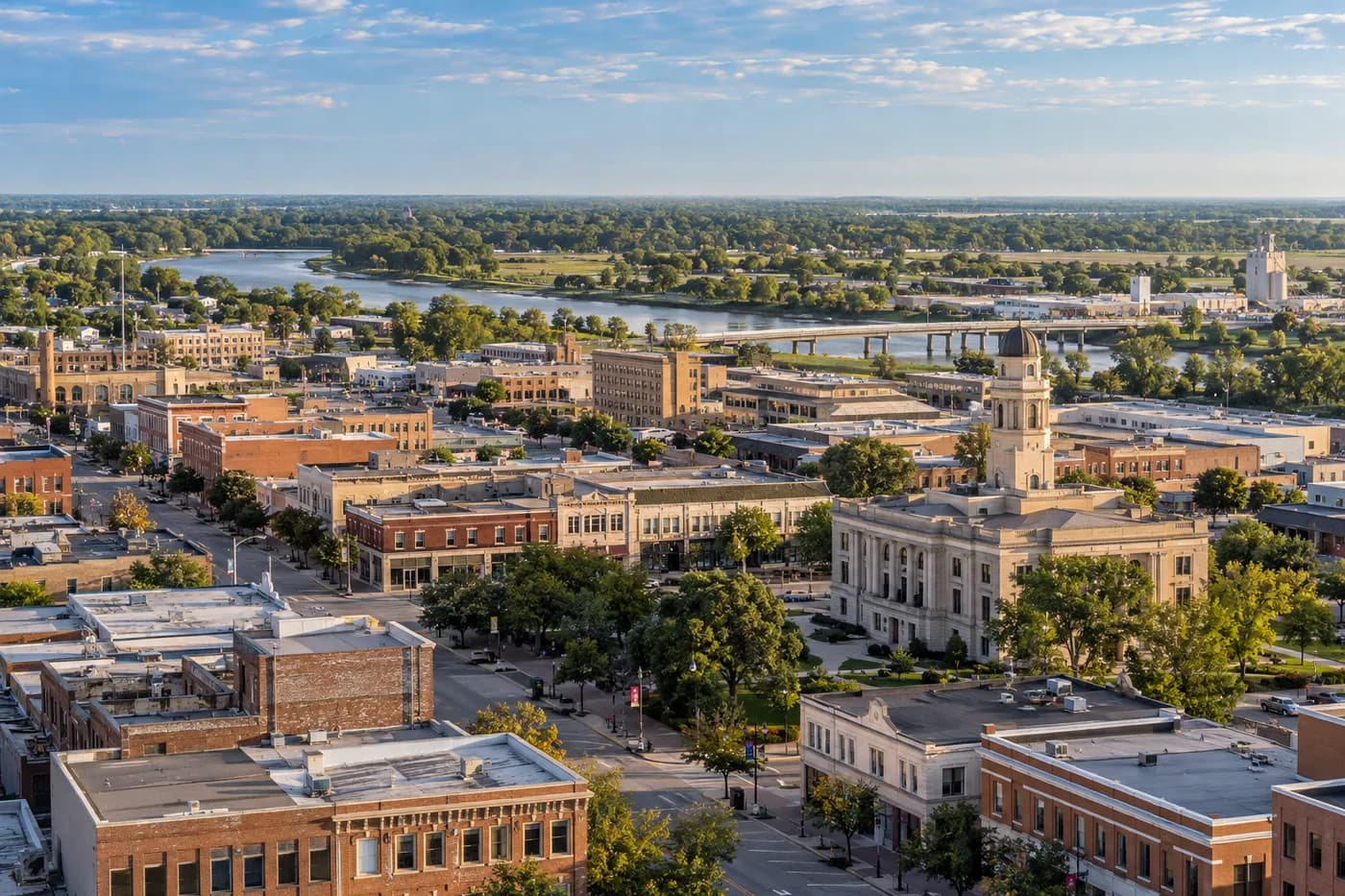
Humid Continental · suburban setting
Read the local guide →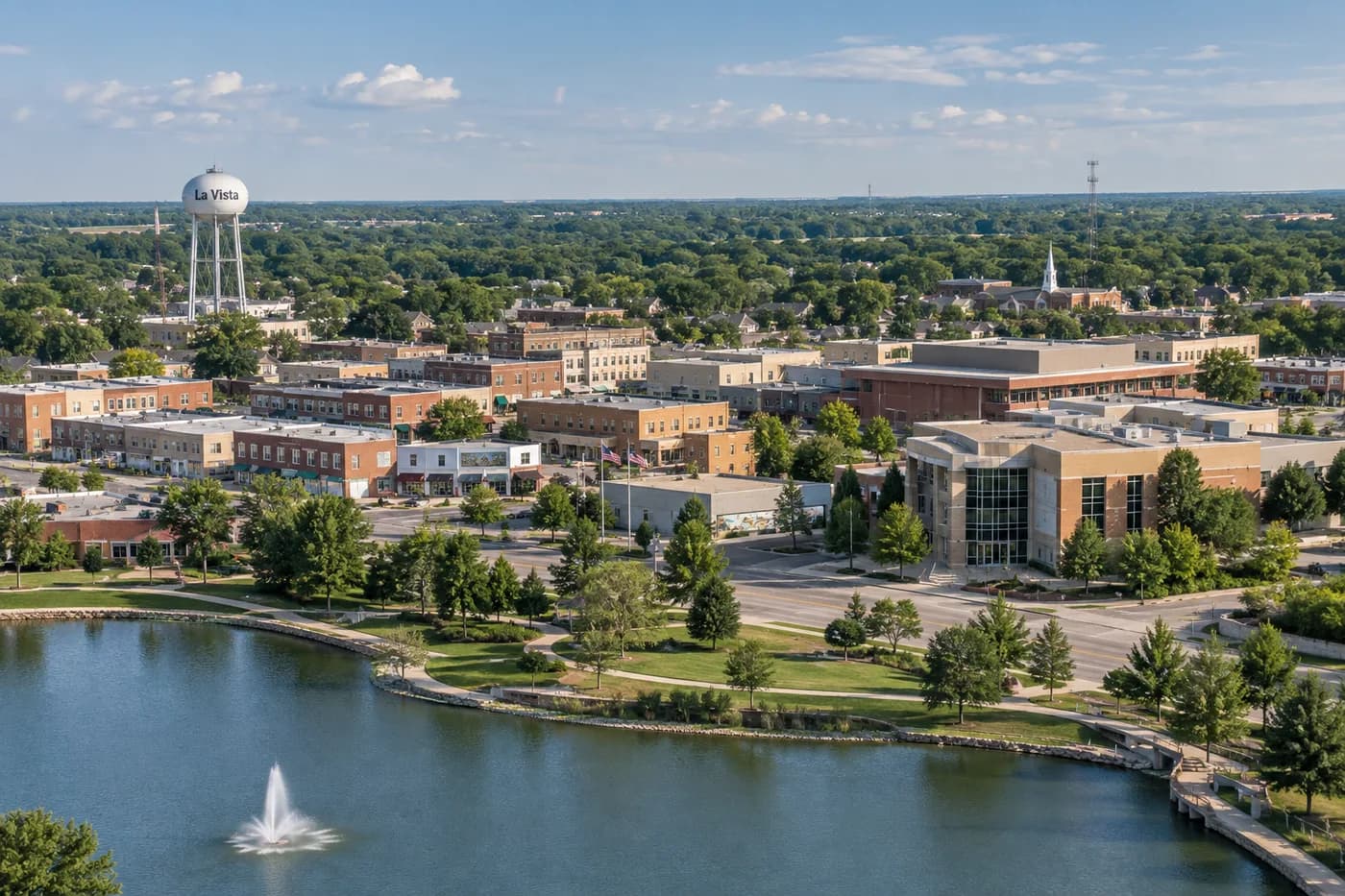
Humid Continental · suburban setting
Read the local guide →
Humid Continental · urban setting
Read the local guide →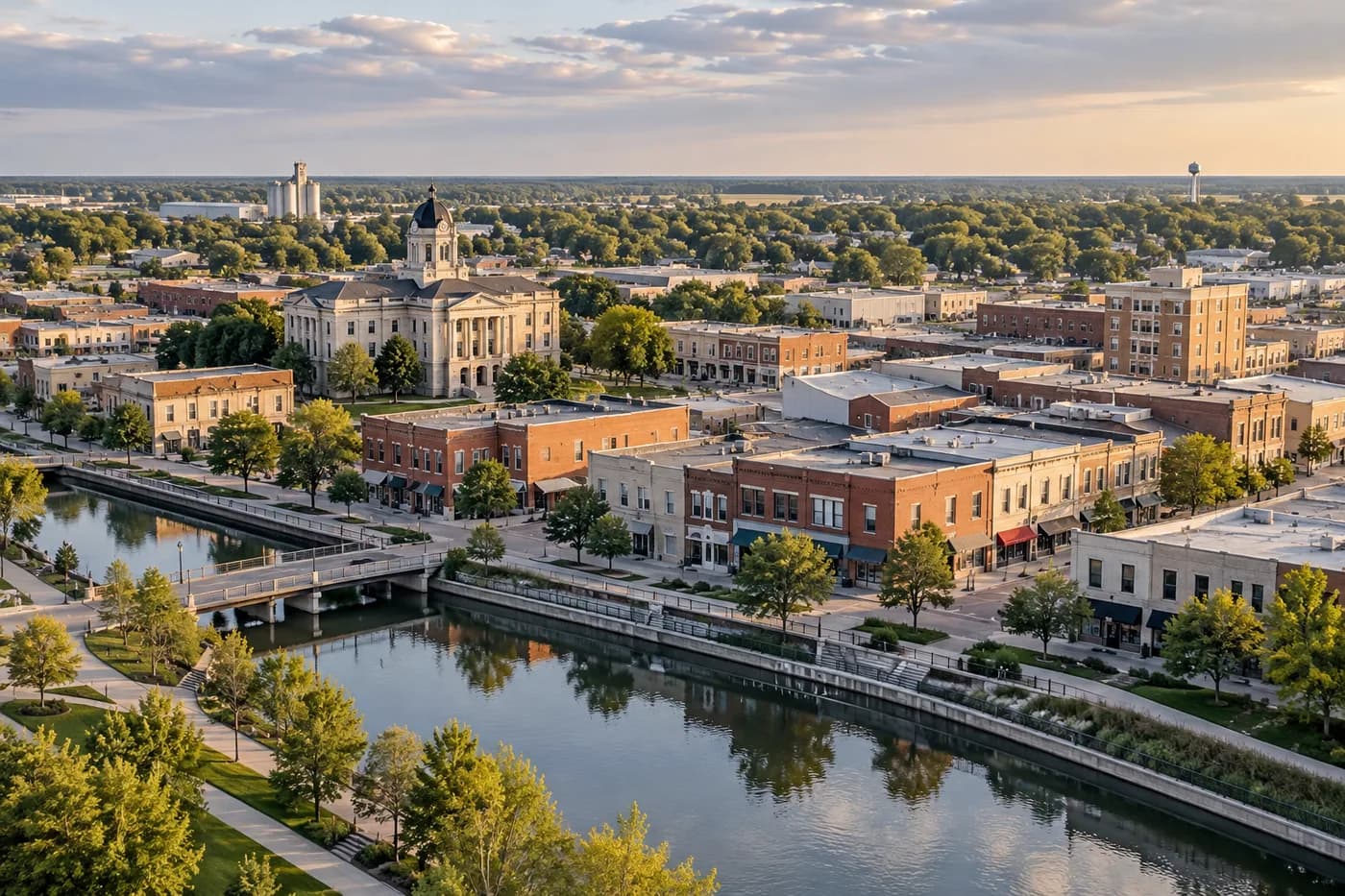
Humid Continental · rural setting
Read the local guide →
Semi-Arid Continental · rural setting
Read the local guide →
Humid Continental · urban setting
Read the local guide →
Humid Continental · suburban setting
Read the local guide →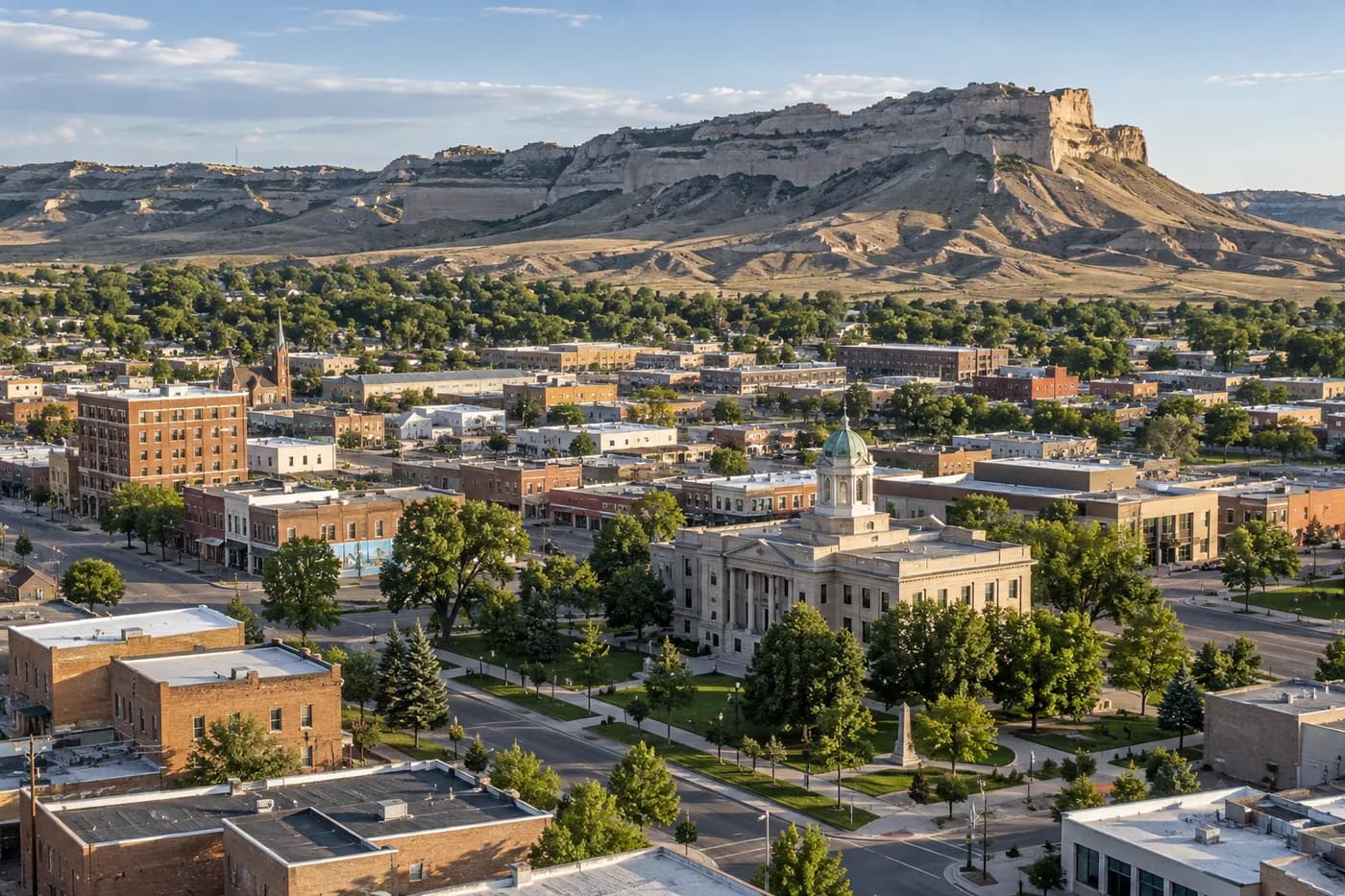
Semi-Arid Continental · rural setting
Read the local guide →