Around New Hampshire
Conditions vary across the state. Choose your city below, then describe what’s happening around your home or business.
Local fruit fly information
Learn what to look for around your property, explore your city, and ask about an inspection or a quote.
Conditions vary across the state. Choose your city below, then describe what’s happening around your home or business.
Where you see fruit flies, how long it has been going on, and anything you’ve already tried are the most useful details to mention.
Ask about an inspection, what treatment would involve, and whether follow-up visits are included. You don’t need to identify the problem yourself before getting in touch.
Before you compare quotes, it helps to know which fruit flies actually live in New Hampshire, when they are busiest, and what the state figures look like. Everything below links to the agency or university page it came from.
SWD has been established in New Hampshire for well over a decade, so late-season berries in the state are assumed infested unless protected.
University of New Hampshire ExtensionThat is a measured statewide dollar figure, which is why UNH pushes trapping and prompt fruit removal rather than tolerance.
University of New Hampshire ExtensionMost small flies a New Hampshire homeowner sees in a kitchen are one of those other drosophilids breeding indoors, not the crop pest.
University of New Hampshire ExtensionOutdoor SWD is generally not caught in New Hampshire traps until early July, and pressure builds through the late-summer bramble and blueberry harvest; indoor vinegar fly problems follow that fruit home.
UNH Extension recommends monitoring with traps, treating when flies appear during fruit ripening, and cultural controls including destroying nearby wild host plants, pruning to open the canopy, choosing early-ripening varieties, and removing damaged fruit. Extension also emphasizes that SWD is one of 40 drosophilid species in the state, so identification matters before treating.
Sources: University of New Hampshire Extension; University of Maryland Extension; Texas A&M AgriLife Extension. Figures are quoted as the source prints them. How we check our sources
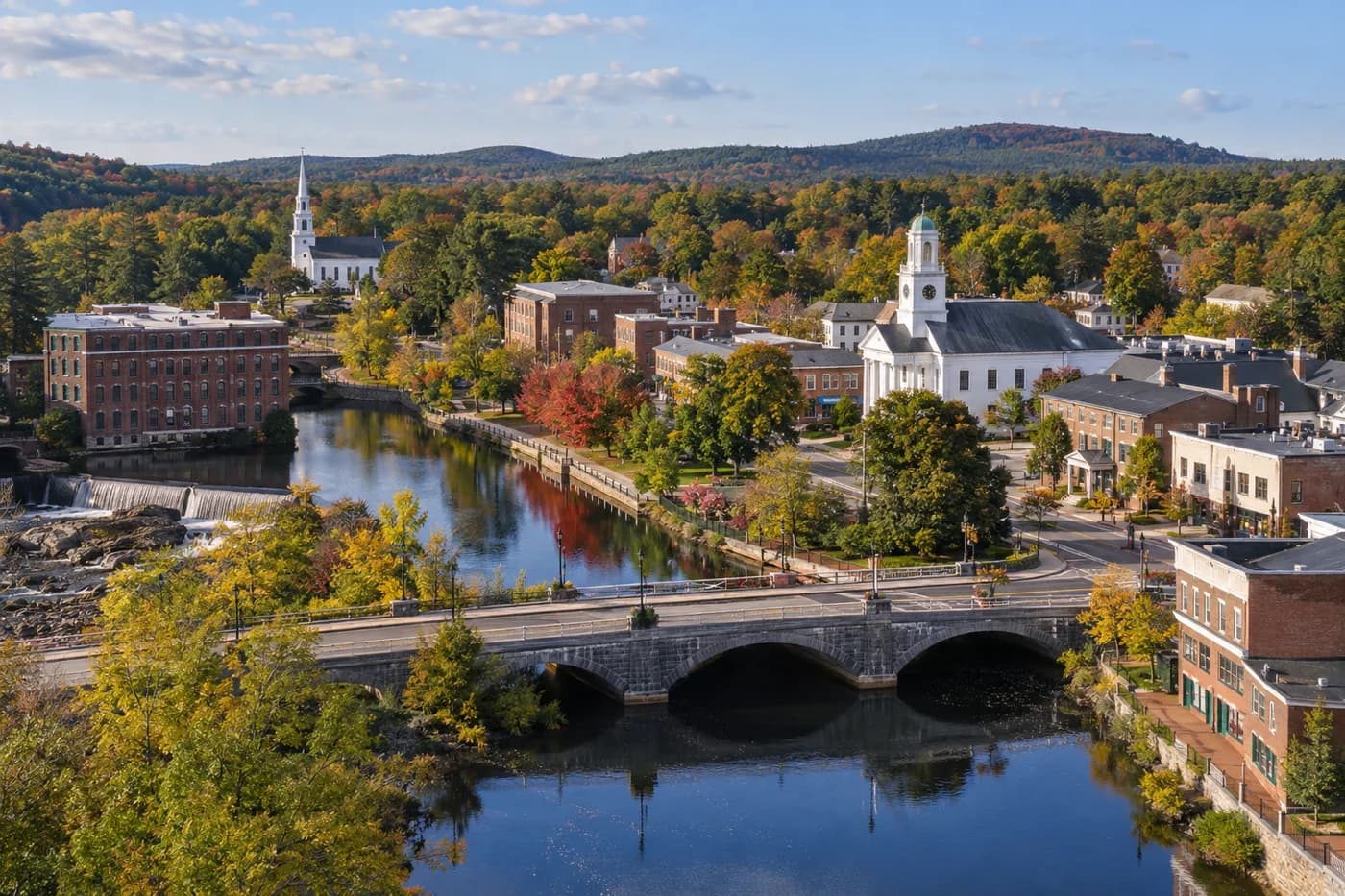
Humid Continental · suburban setting
Read the local guide →
Humid Continental · suburban setting
Read the local guide →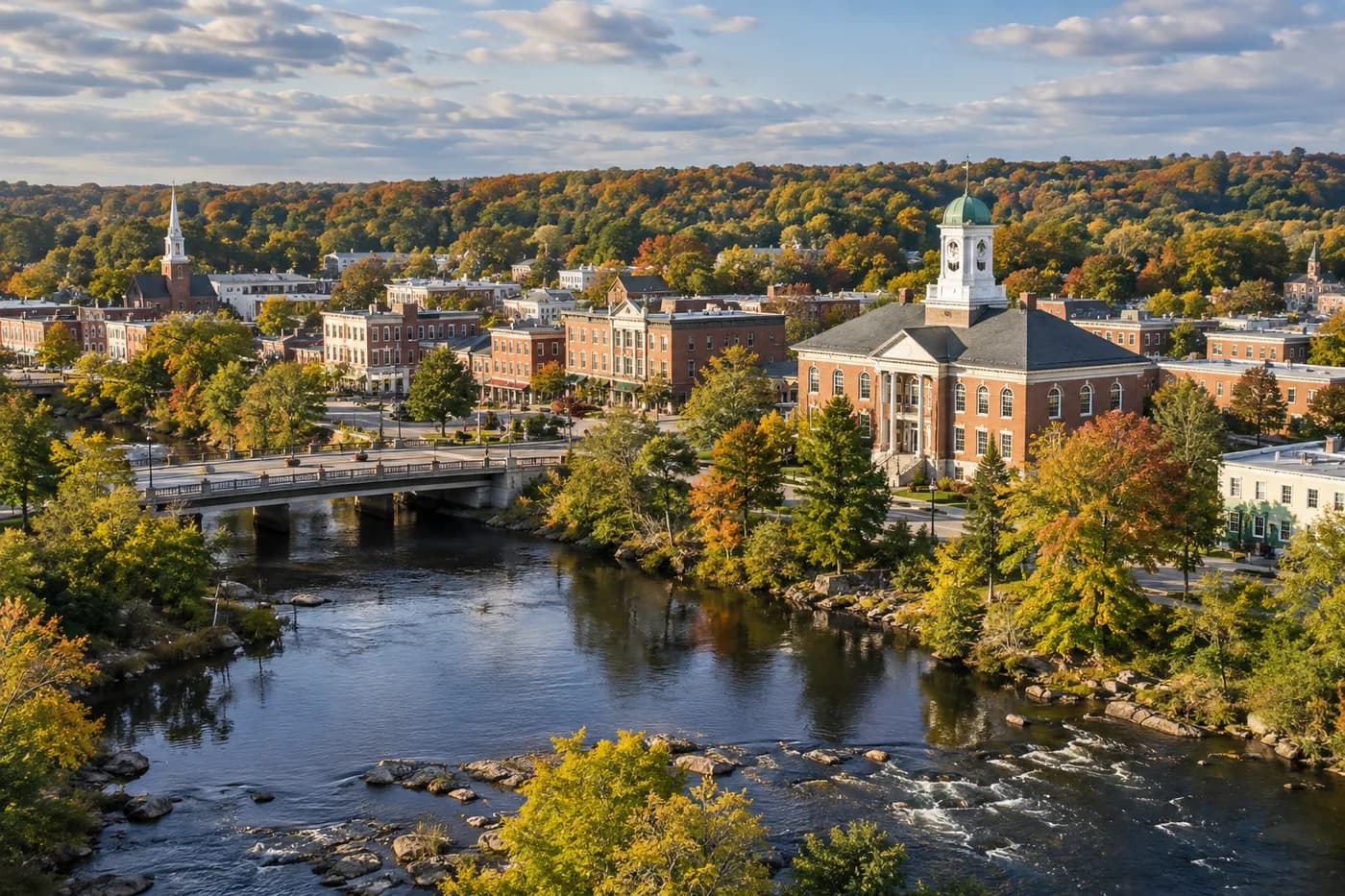
Humid Continental · suburban setting
Read the local guide →
Humid Continental · suburban setting
Read the local guide →
Humid Continental · suburban setting
Read the local guide →
Humid Continental · suburban setting
Read the local guide →
Humid Continental · urban setting
Read the local guide →
Humid Continental · suburban setting
Read the local guide →
Humid Continental · urban setting
Read the local guide →
Humid Continental · suburban setting
Read the local guide →
Humid Continental · suburban setting
Read the local guide →
Humid Continental · urban setting
Read the local guide →