Around Washington
Conditions vary across the state. Choose your city below, then describe what’s happening around your home or business.
Local fruit fly information
Learn what to look for around your property, explore your city, and ask about an inspection or a quote.
Conditions vary across the state. Choose your city below, then describe what’s happening around your home or business.
Where you see fruit flies, how long it has been going on, and anything you’ve already tried are the most useful details to mention.
Ask about an inspection, what treatment would involve, and whether follow-up visits are included. You don’t need to identify the problem yourself before getting in touch.
Before you compare quotes, it helps to know which fruit flies actually live in Washington, when they are busiest, and what the state figures look like. Everything below links to the agency or university page it came from.
Red eyes and that wing spot are how a Washington homeowner tells a fruit-infesting SWD from the ordinary kitchen vinegar fly.
Hortsense, Washington State UniversityNearly every soft fruit grown in the state is a host, which is why outdoor populations are large enough to spill into houses.
Hortsense, Washington State UniversityThe country's largest apple crop means fruit bins, culls and juice residues on a scale no other state matches, and packing houses are a fruit fly source year-round.
USDA National Agricultural Statistics ServicePressure builds with cherry harvest in early summer and peaks through the apple and grape harvest in late summer and fall, when crush and packing residues are heaviest.
WSU's Hortsense notes that spotted wing drosophila attacks healthy fruit as it ripens on the plant rather than waiting for it to rot, and that vinegar traps are for detection only. Chemical controls reach adults only and should be applied in the evening after bees have finished working.
Sources: Hortsense, Washington State University; USDA National Agricultural Statistics Service; University of Maryland Extension; Texas A&M AgriLife Extension. Figures are quoted as the source prints them. How we check our sources
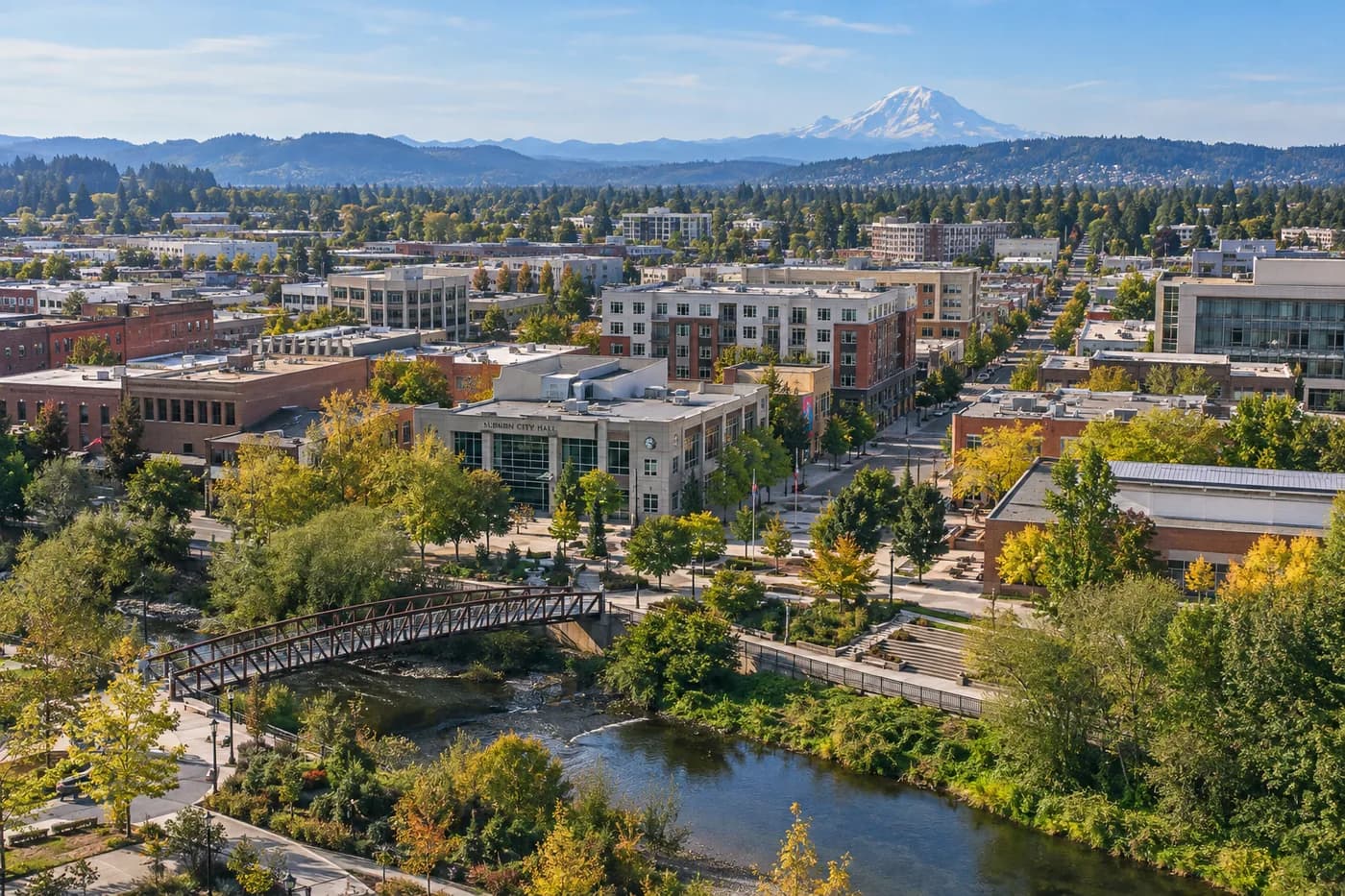
Marine West Coast · suburban setting
Read the local guide →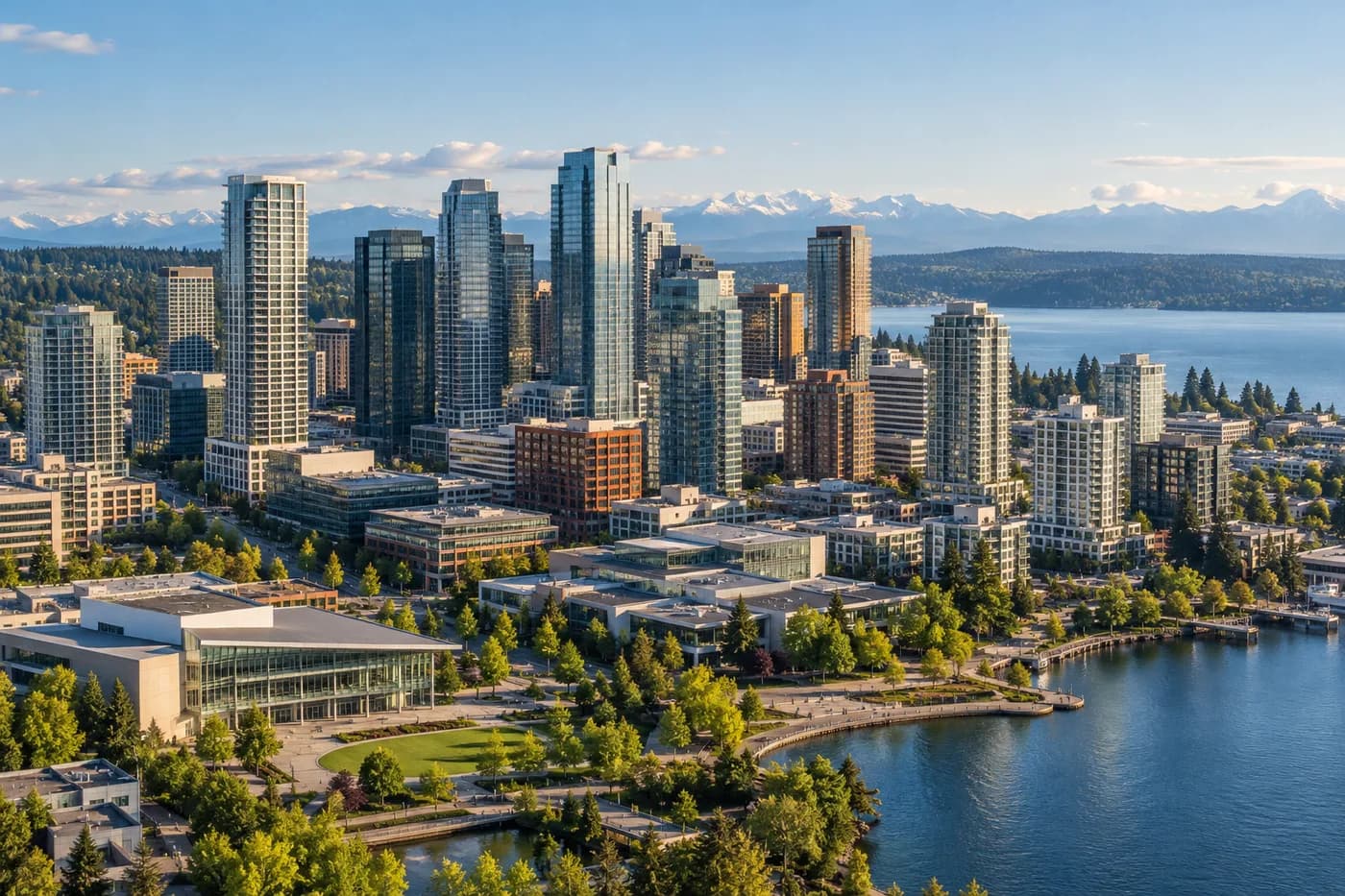
Marine West Coast · urban setting
Read the local guide →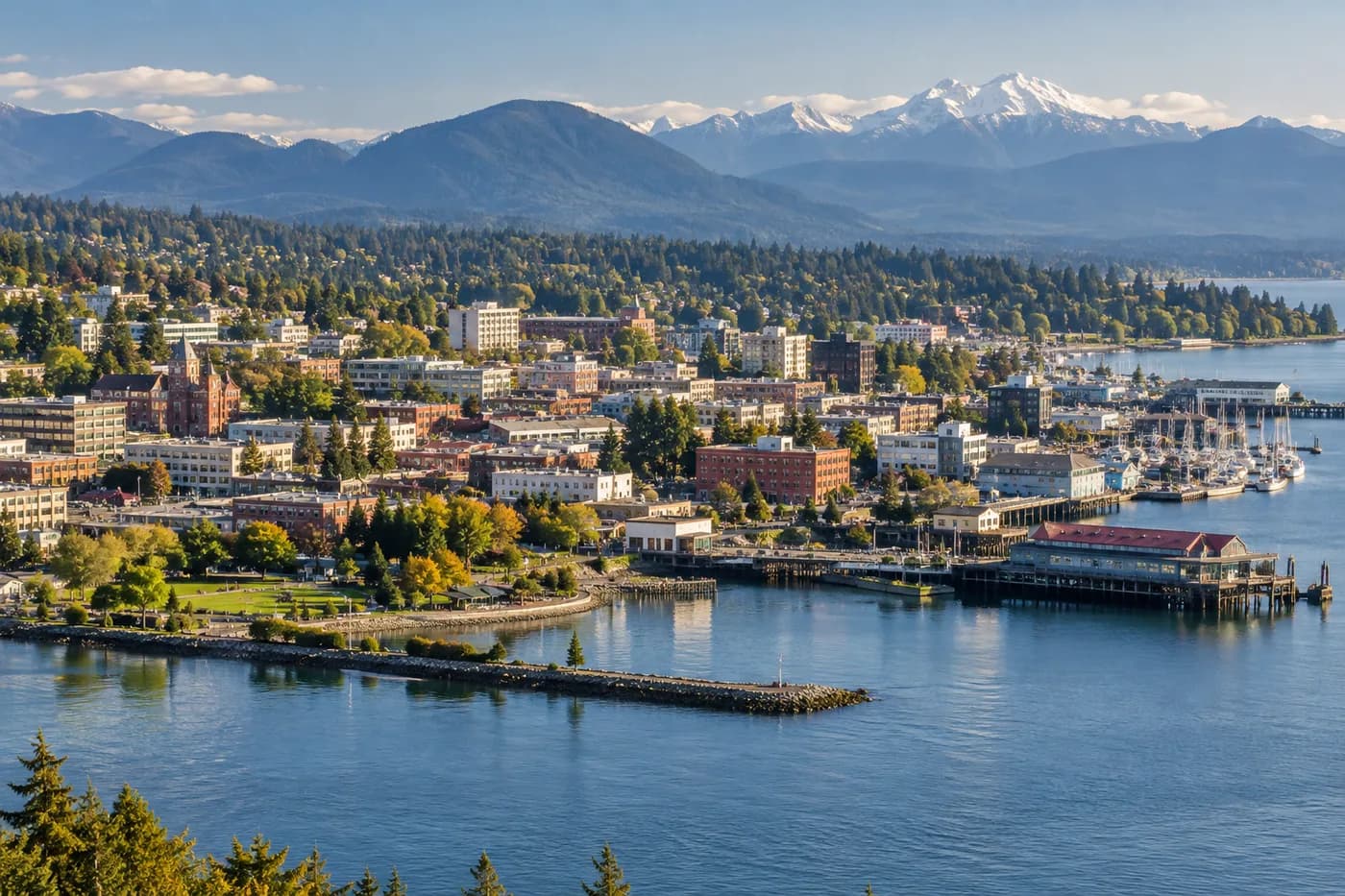
Marine West Coast · suburban setting
Read the local guide →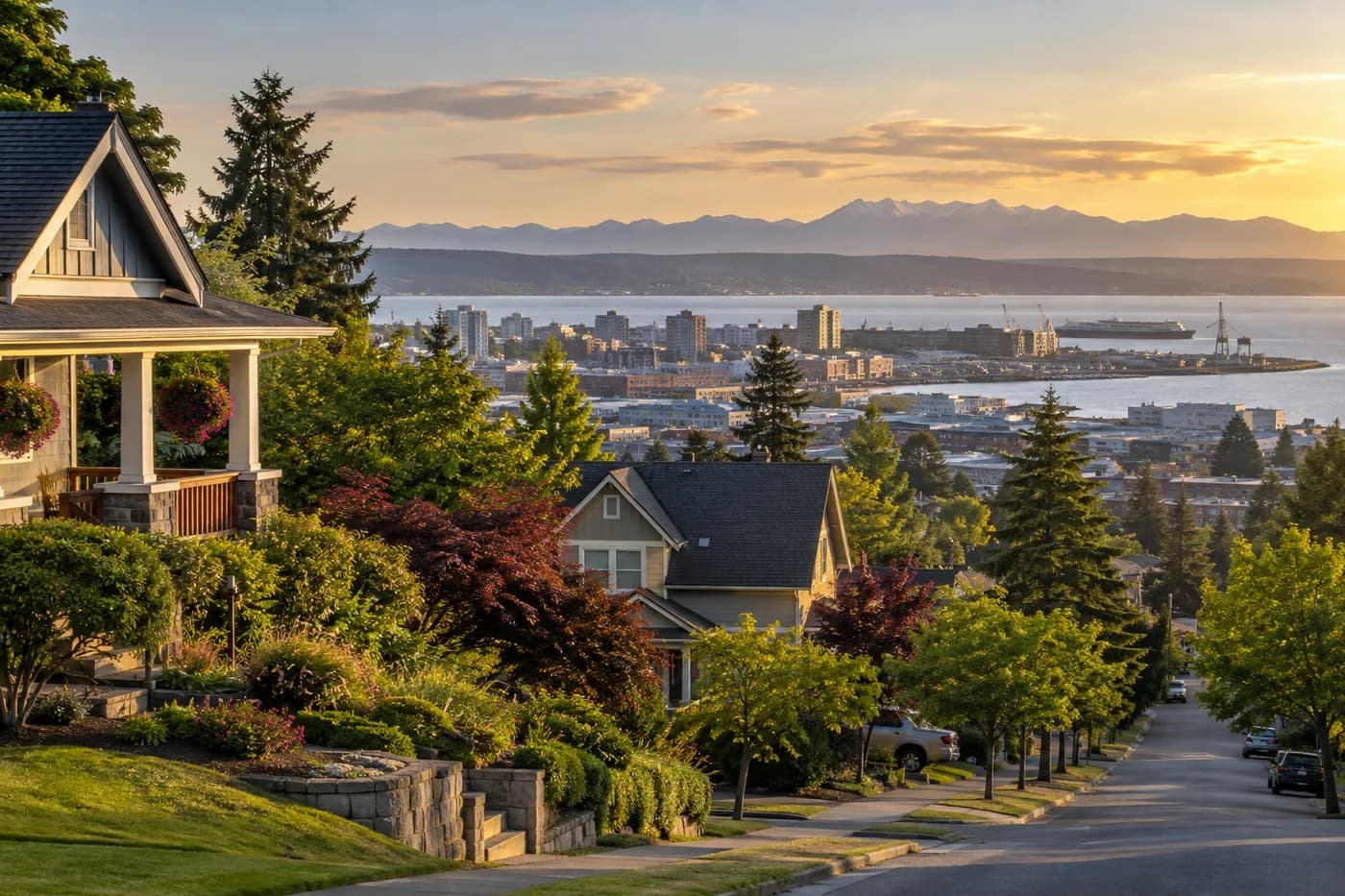
Marine West Coast · urban setting
Read the local guide →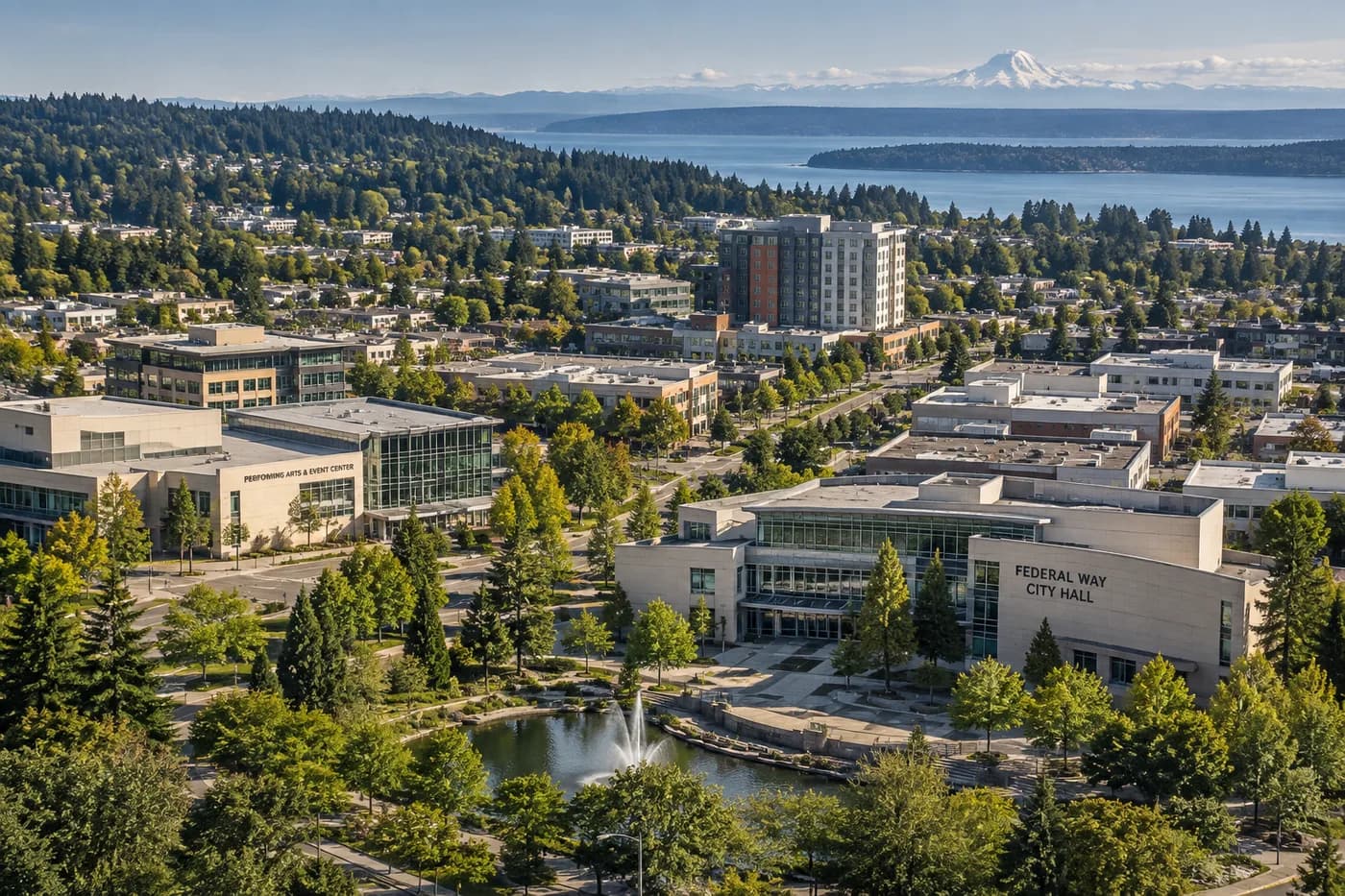
Marine West Coast · suburban setting
Read the local guide →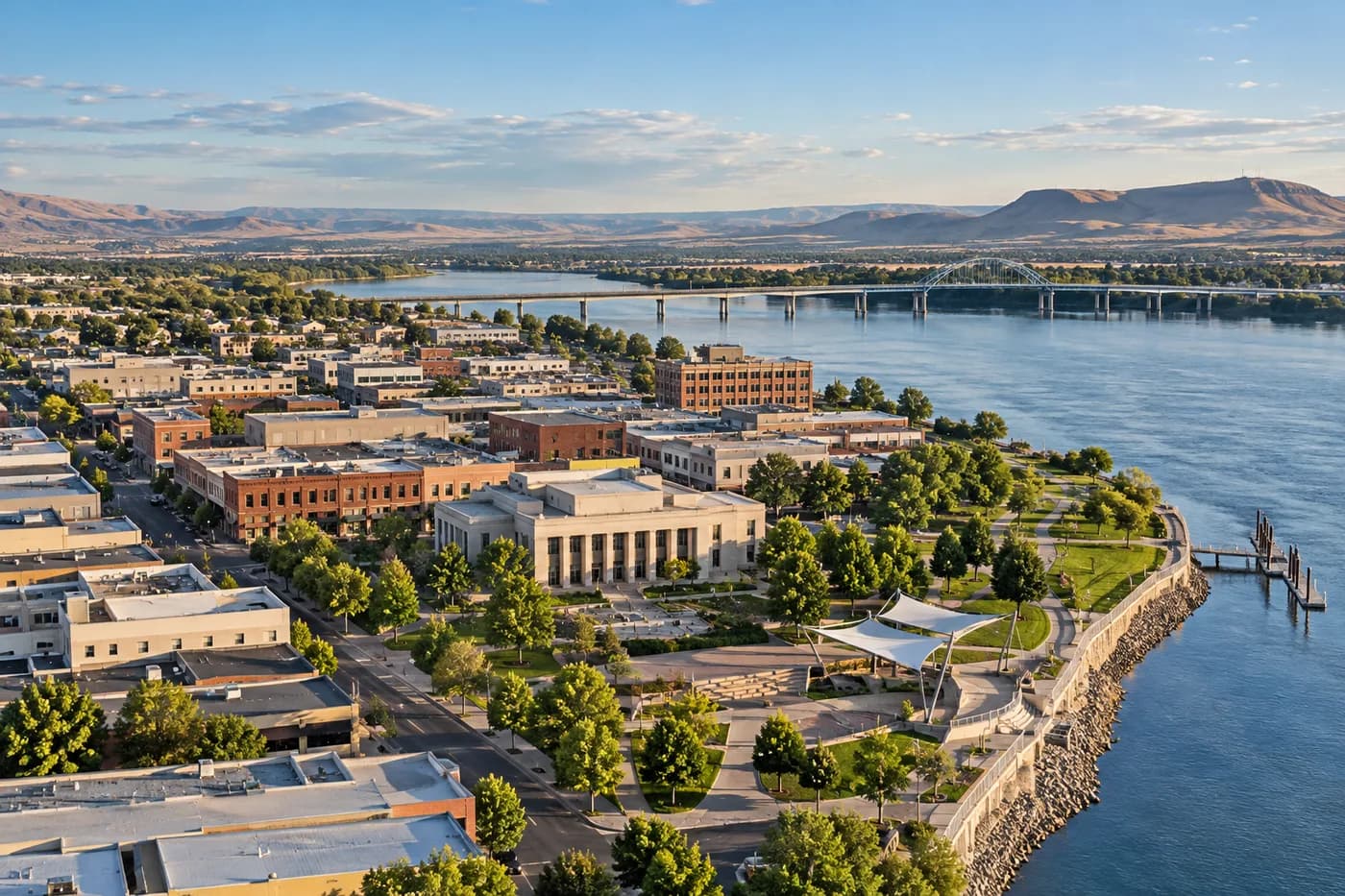
Semi-Arid · suburban setting
Read the local guide →
Marine West Coast · urban setting
Read the local guide →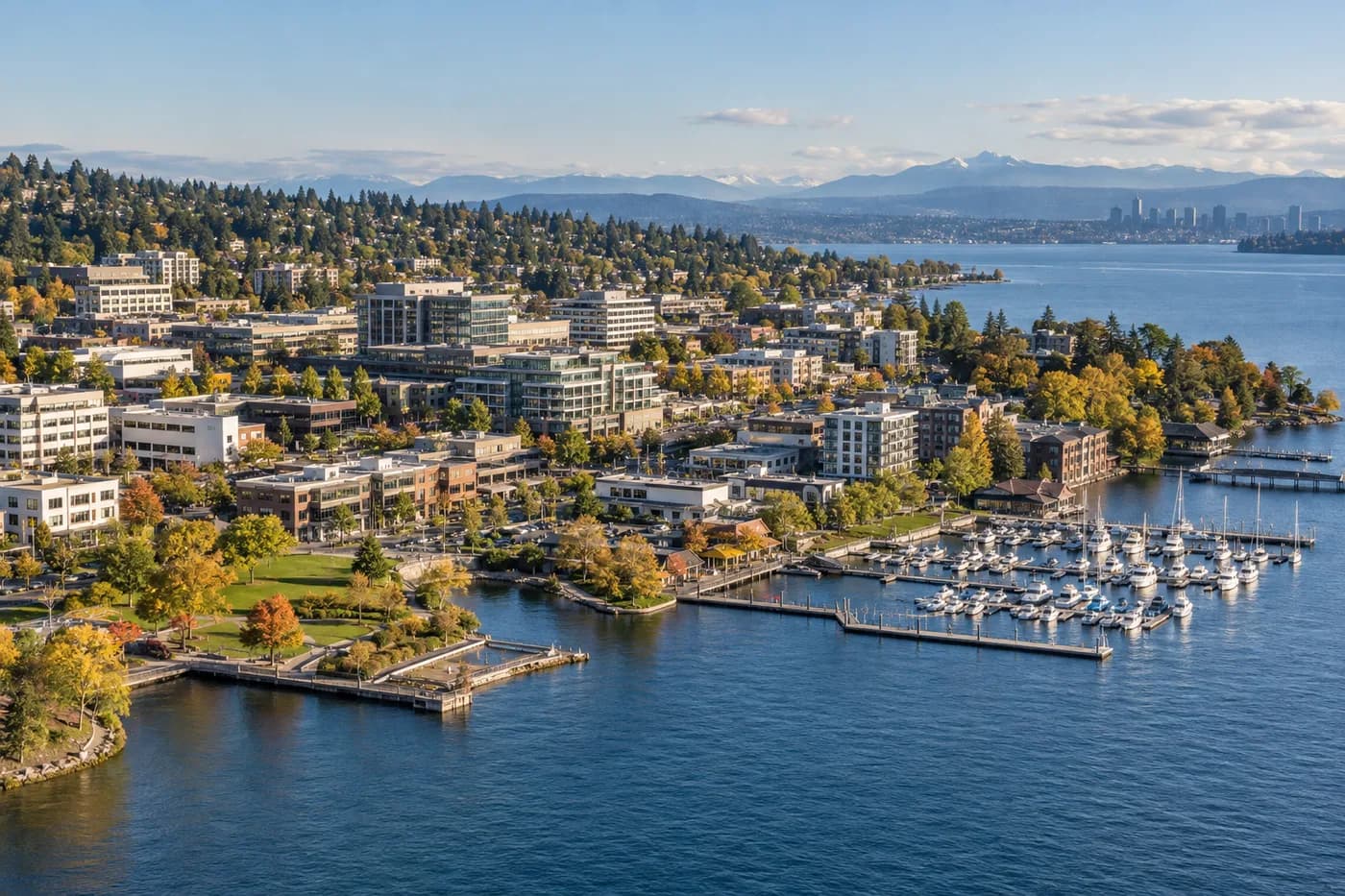
Marine West Coast · suburban setting
Read the local guide →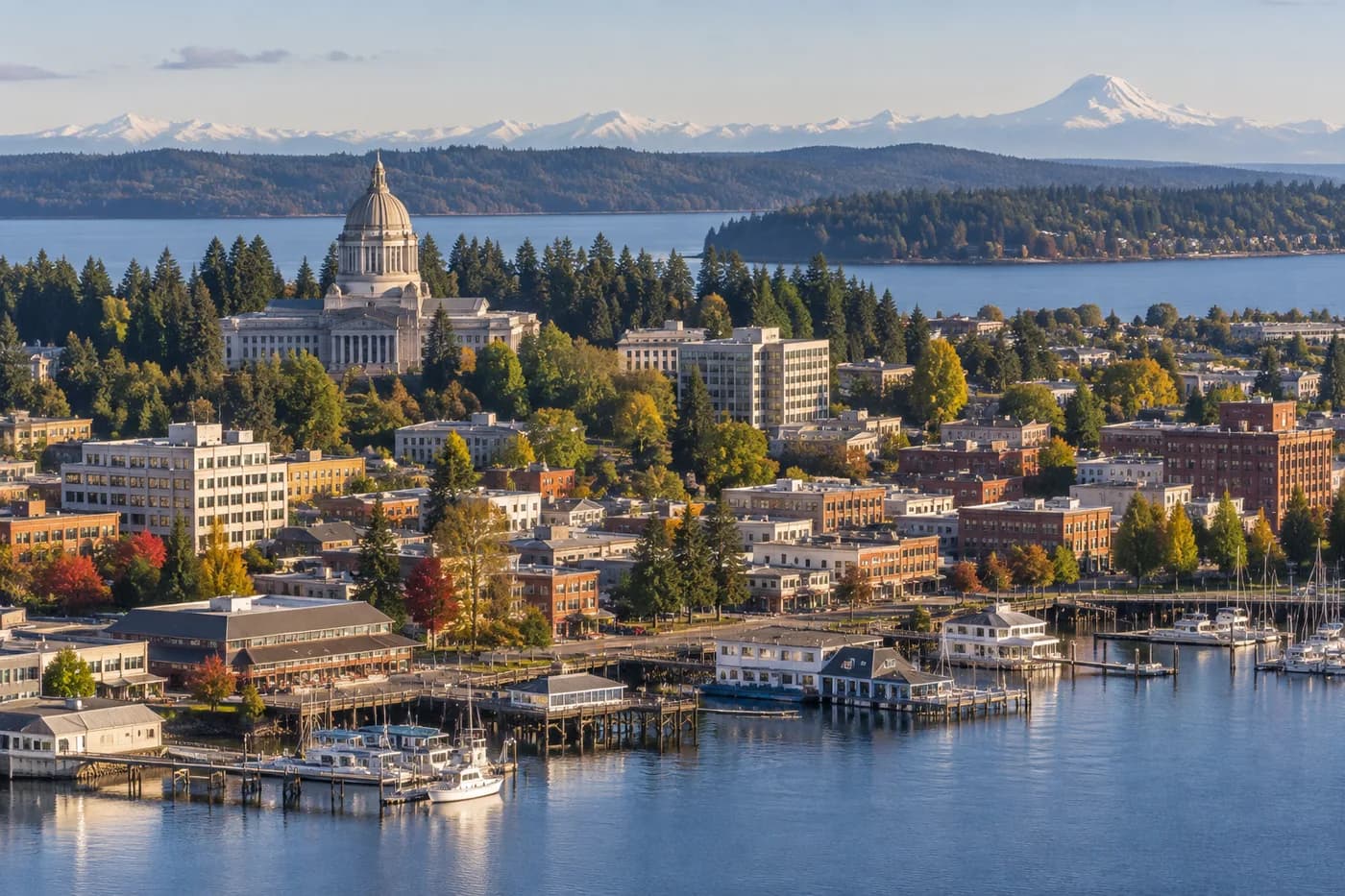
Marine West Coast · suburban setting
Read the local guide →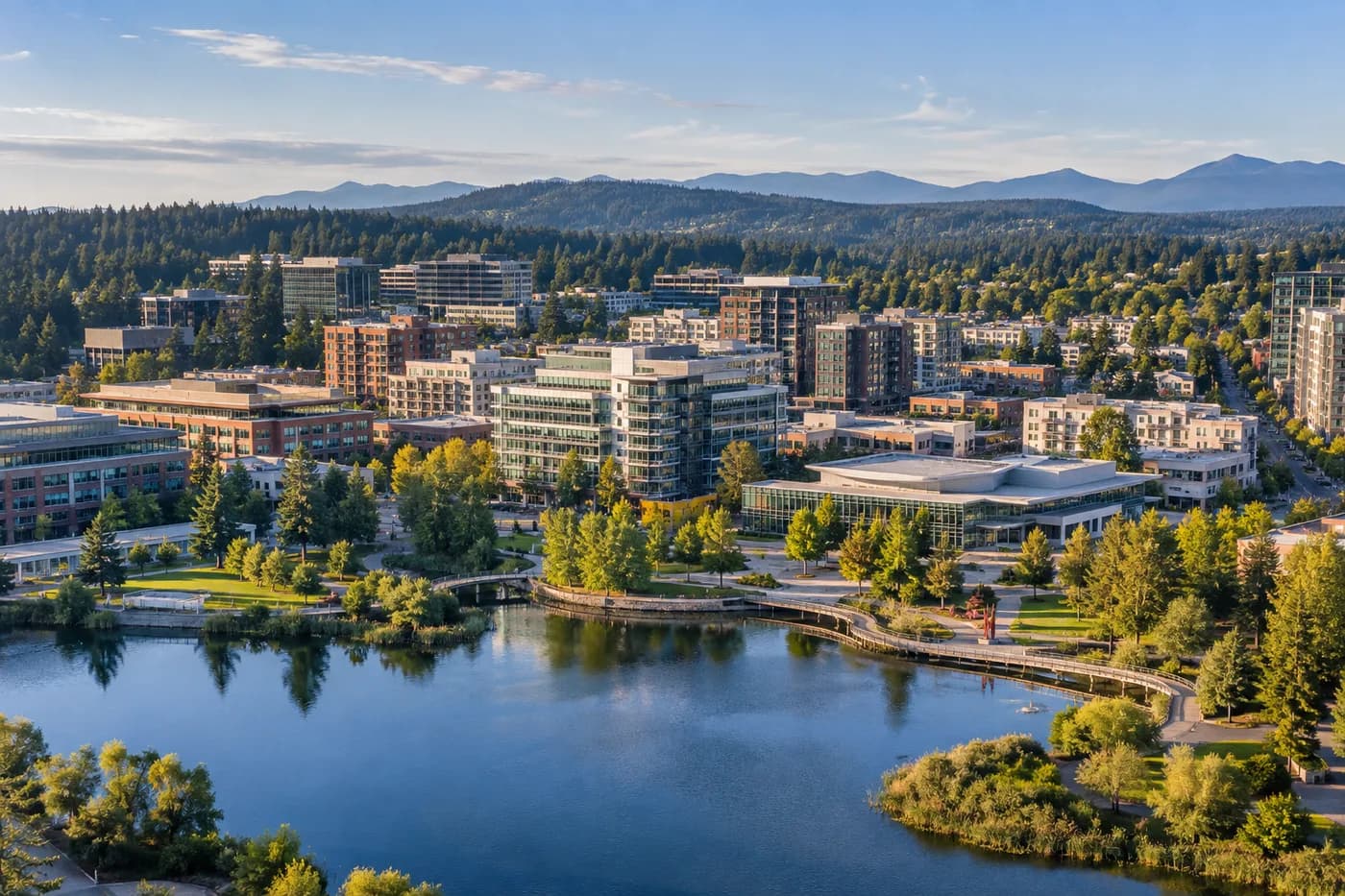
Marine West Coast · urban setting
Read the local guide →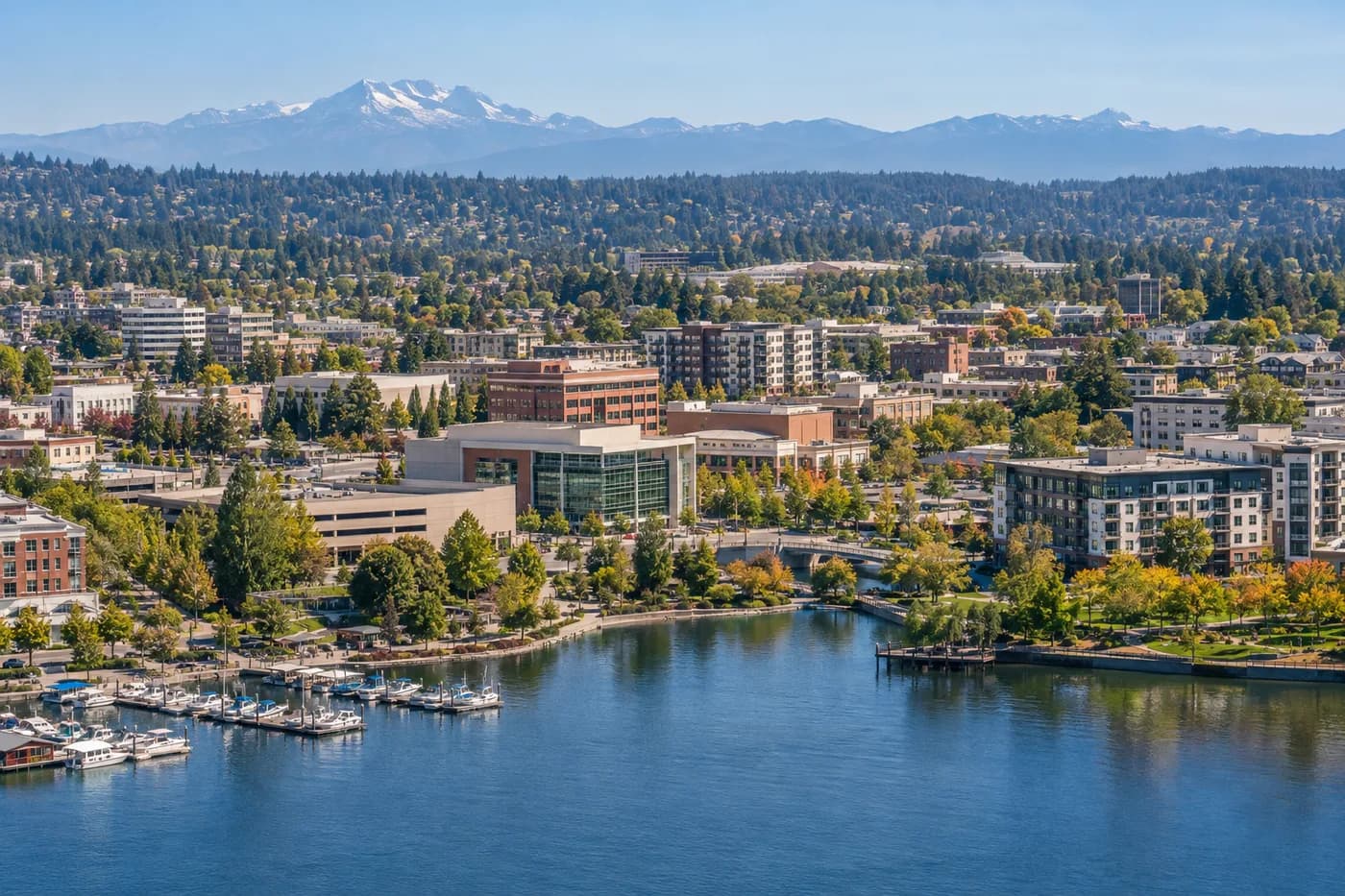
Marine West Coast · urban setting
Read the local guide →
Semi-Arid · suburban setting
Read the local guide →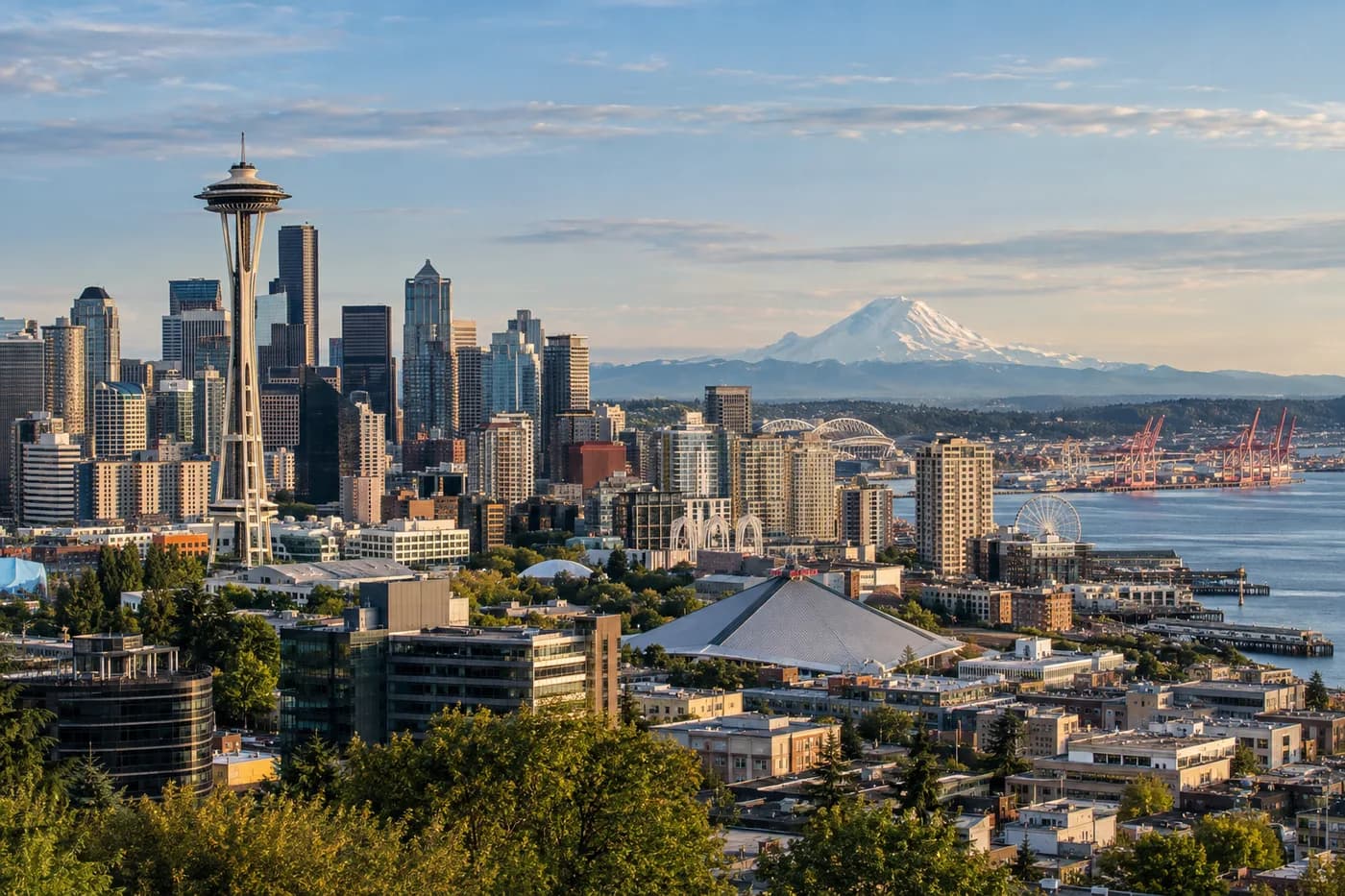
Marine West Coast · urban setting
Read the local guide →
Warm Summer Continental · urban setting
Read the local guide →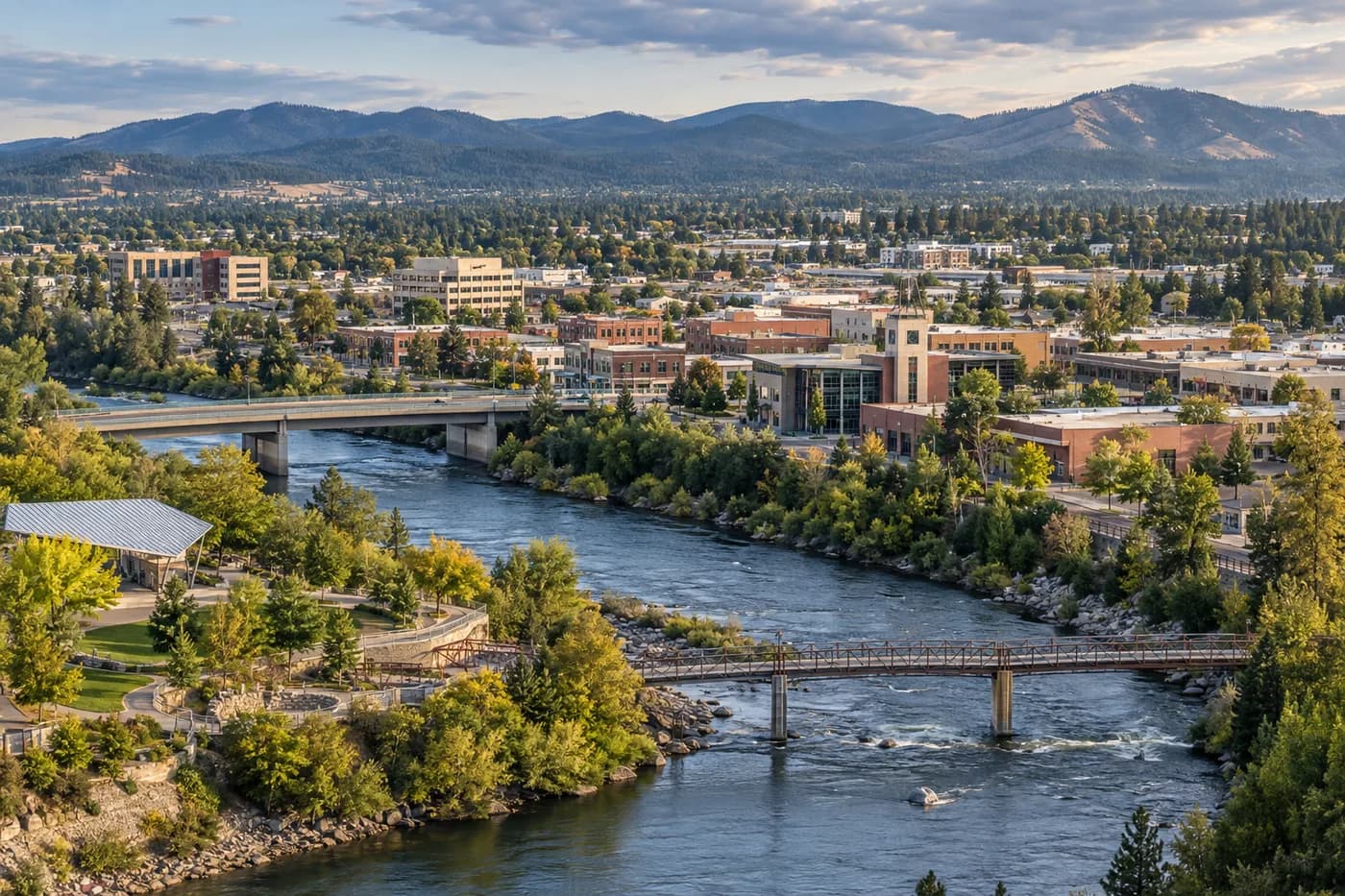
Warm Summer Continental · suburban setting
Read the local guide →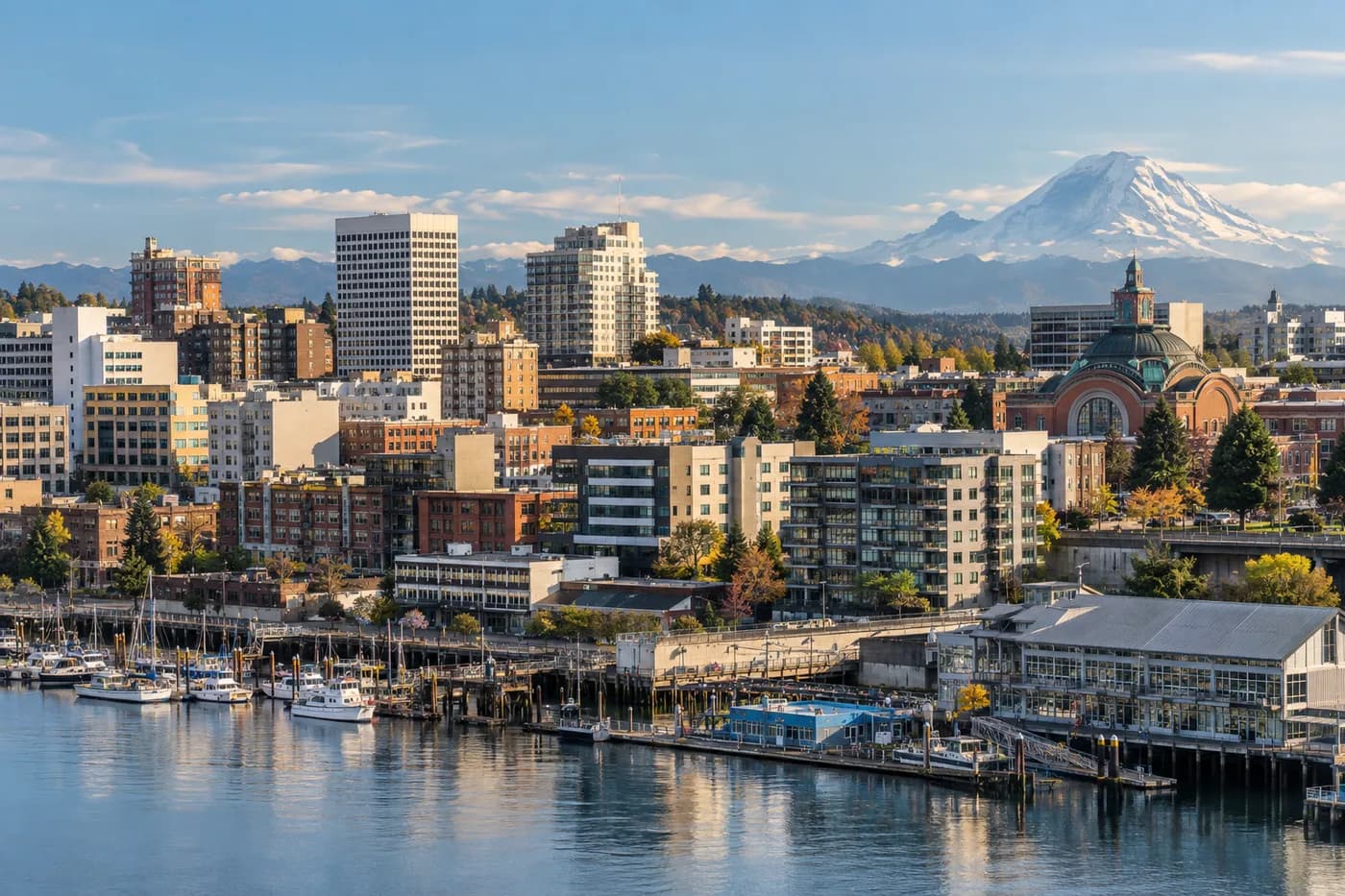
Marine West Coast · urban setting
Read the local guide →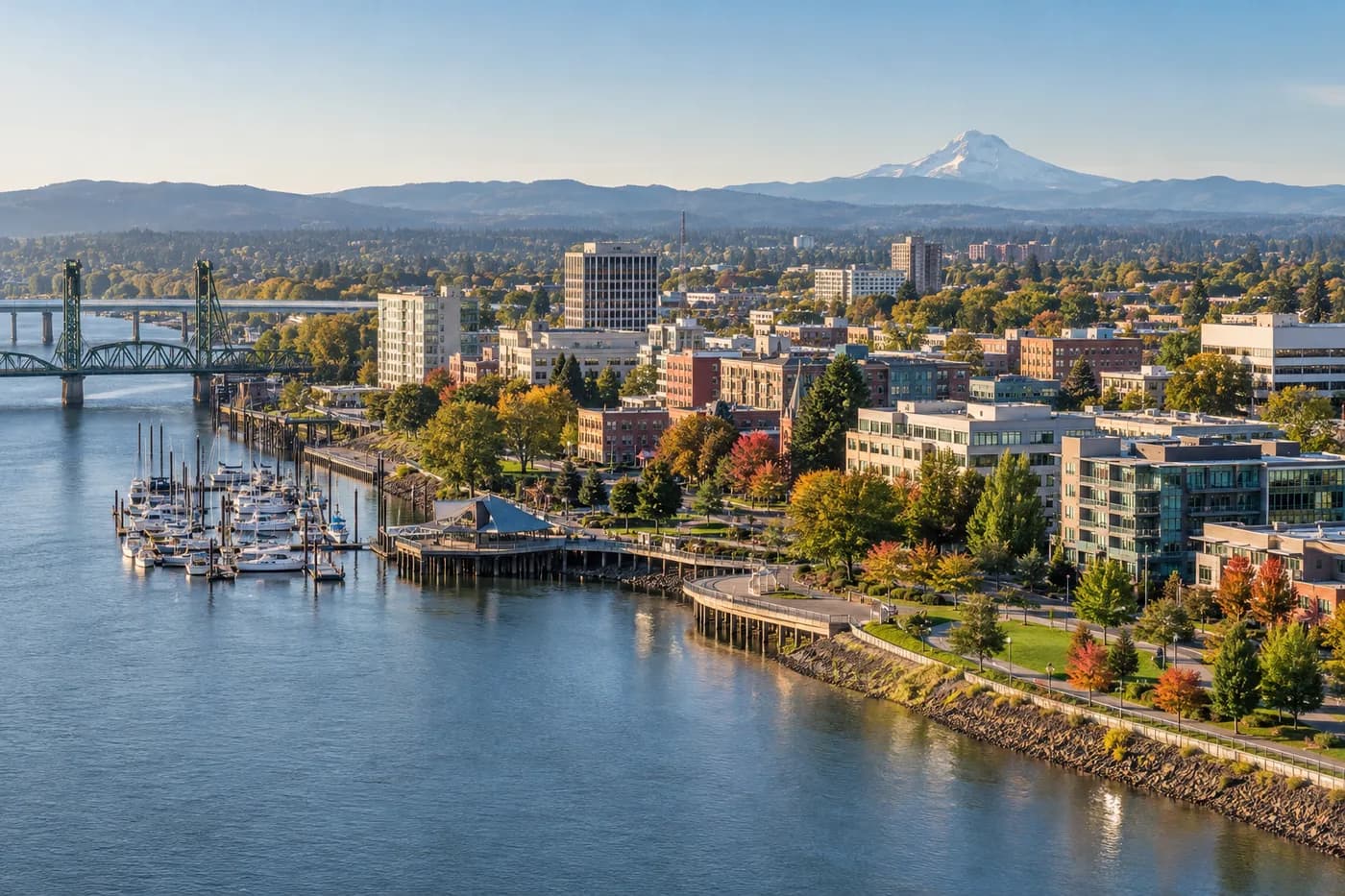
Marine West Coast · urban setting
Read the local guide →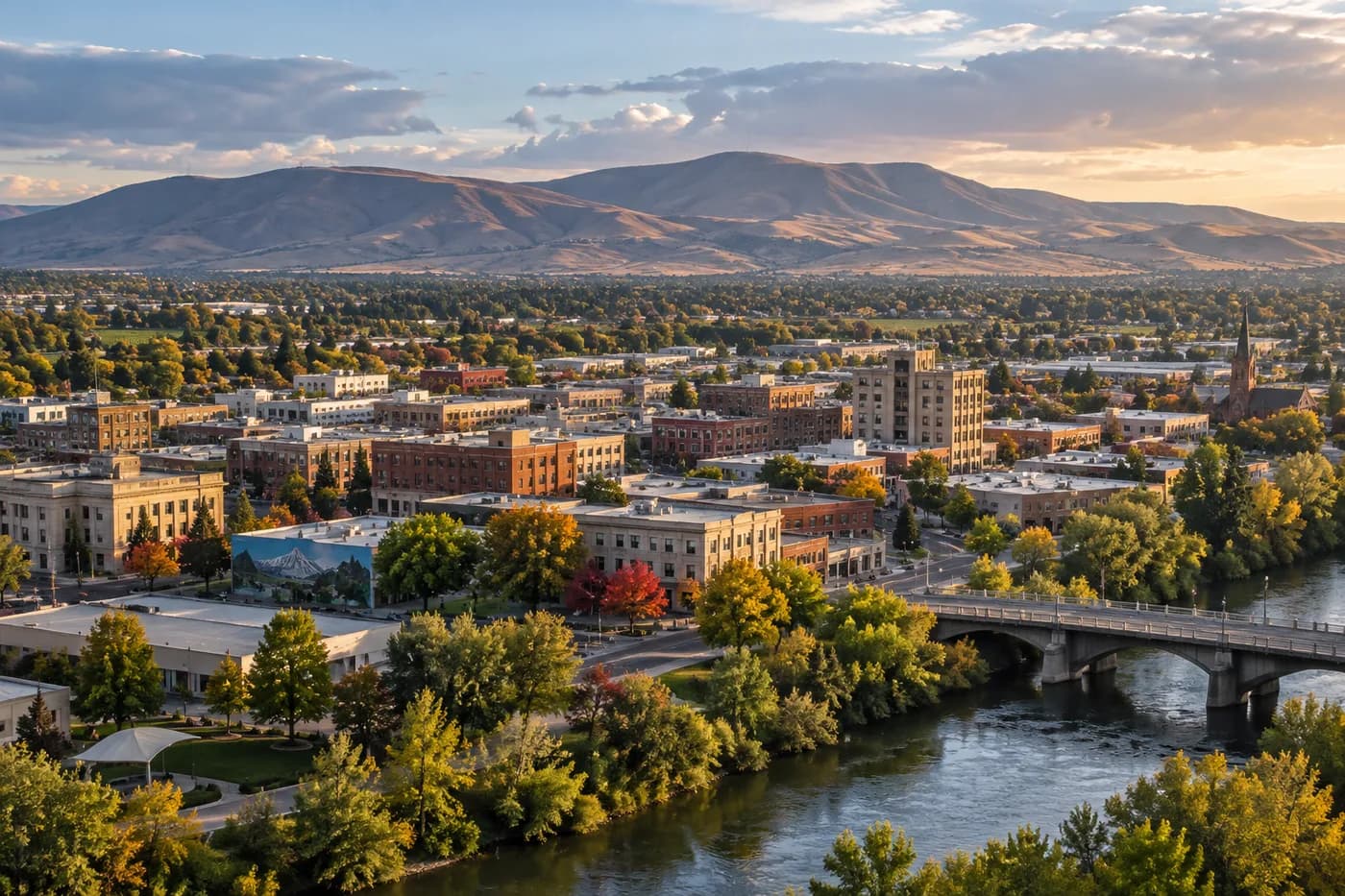
Semi-Arid · suburban setting
Read the local guide →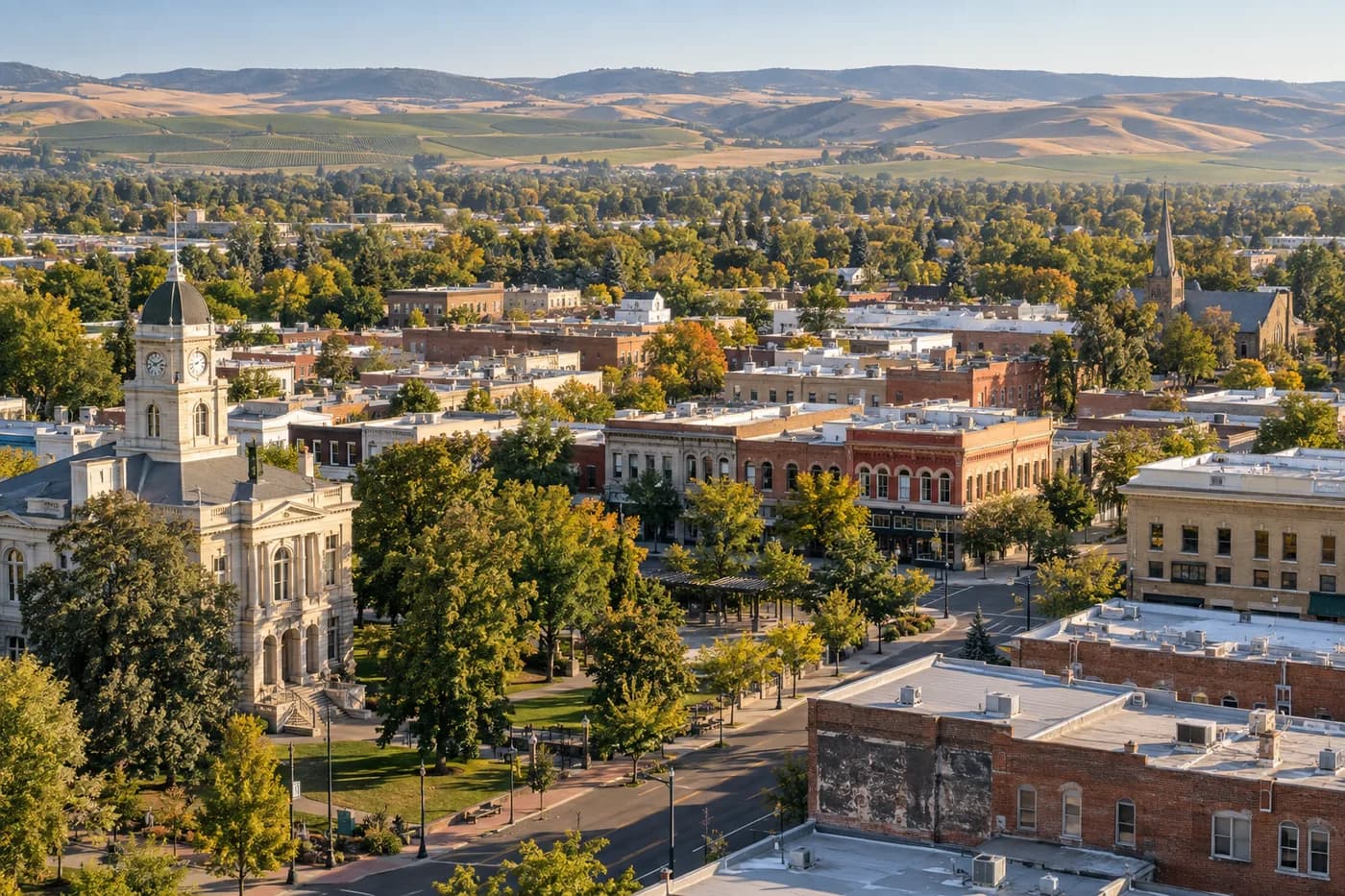
Semi-Arid · rural setting
Read the local guide →