Around Colorado
Conditions vary across the state. Choose your city below, then describe what’s happening around your home or business.
Local fruit fly information
Learn what to look for around your property, explore your city, and ask about an inspection or a quote.
Conditions vary across the state. Choose your city below, then describe what’s happening around your home or business.
Where you see fruit flies, how long it has been going on, and anything you’ve already tried are the most useful details to mention.
Ask about an inspection, what treatment would involve, and whether follow-up visits are included. You don’t need to identify the problem yourself before getting in touch.
Before you compare quotes, it helps to know which fruit flies actually live in Colorado, when they are busiest, and what the state figures look like. Everything below links to the agency or university page it came from.
Size and red eyes separate a true vinegar fly from a fungus gnat or drain fly, and that distinction decides whether to attack fruit, potting soil or a drain.
Colorado State University ExtensionColorado kitchens see the worst pressure when Western Slope fruit and garden produce come indoors in volume from August through October.
Colorado State University ExtensionIn a state with a dense brewery and taproom scene, unrinsed recycling and draft lines are a documented source that cleaning the fruit bowl alone will not fix.
Colorado State University ExtensionCSU Extension states indoor vinegar fly populations are greatest in late summer and early fall during harvest season; outdoors, spotted wing drosophila numbers rise rapidly in early July and peak in August and September.
Colorado State University Extension recommends a homemade trap of cider vinegar, red wine, or mashed banana and beer in a jar with a paper cone for indoor vinegar flies, and for spotted wing drosophila advises apple cider vinegar traps placed in shaded canopy and "checked regularly, at least once a week." Fact Sheet 5.596 (Whitney Cranshaw, reviewed August 2025) also carries a table of SWD host plants observed in Colorado, with raspberry, strawberry and blackberry most favored.
Sources: Colorado State University Extension; University of Maryland Extension; Texas A&M AgriLife Extension. Figures are quoted as the source prints them. How we check our sources
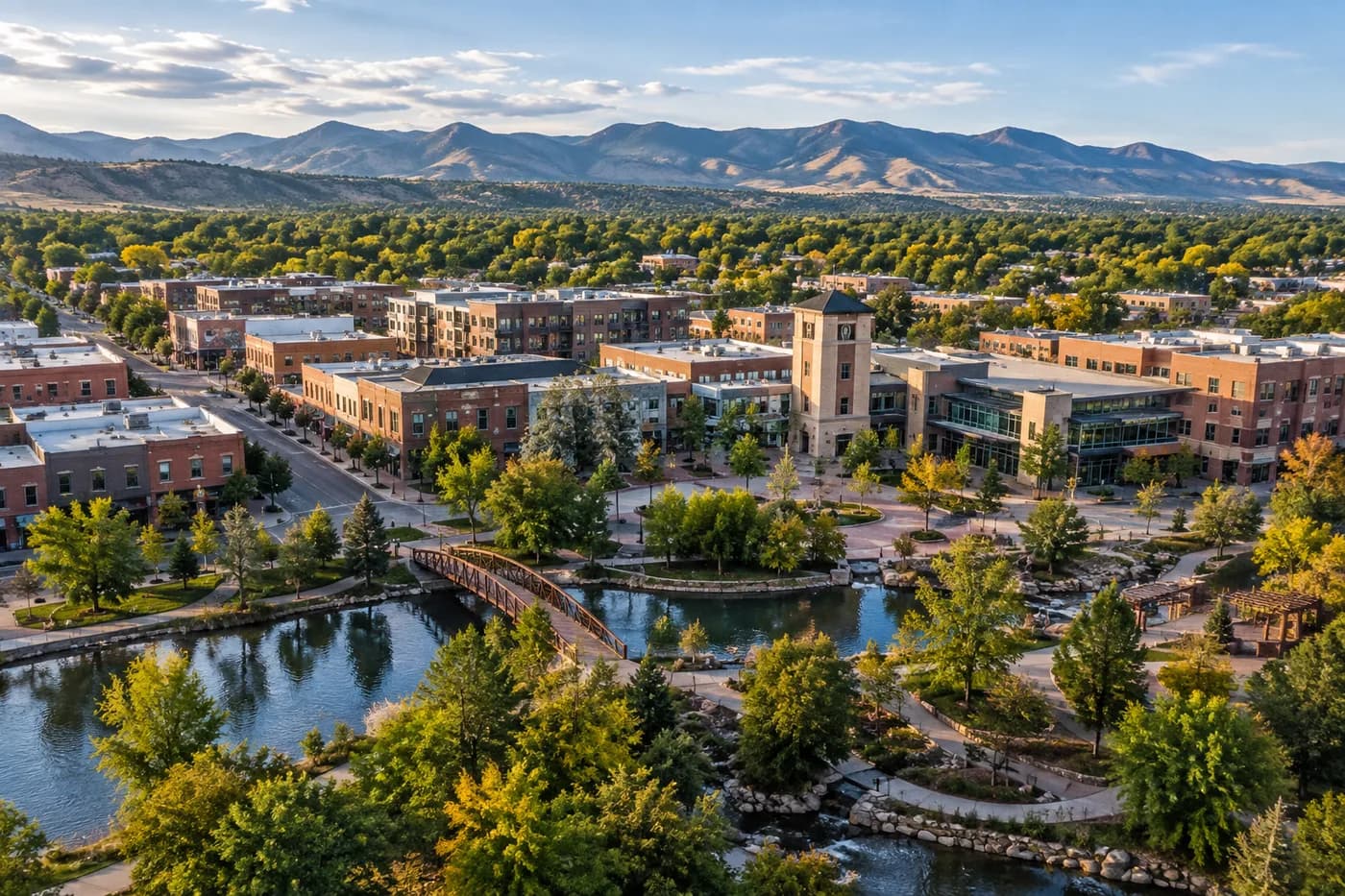
Semi-Arid · suburban setting
Read the local guide →
Semi-Arid · urban setting
Read the local guide →
Semi-Arid · urban setting
Read the local guide →
Semi-Arid · suburban setting
Read the local guide →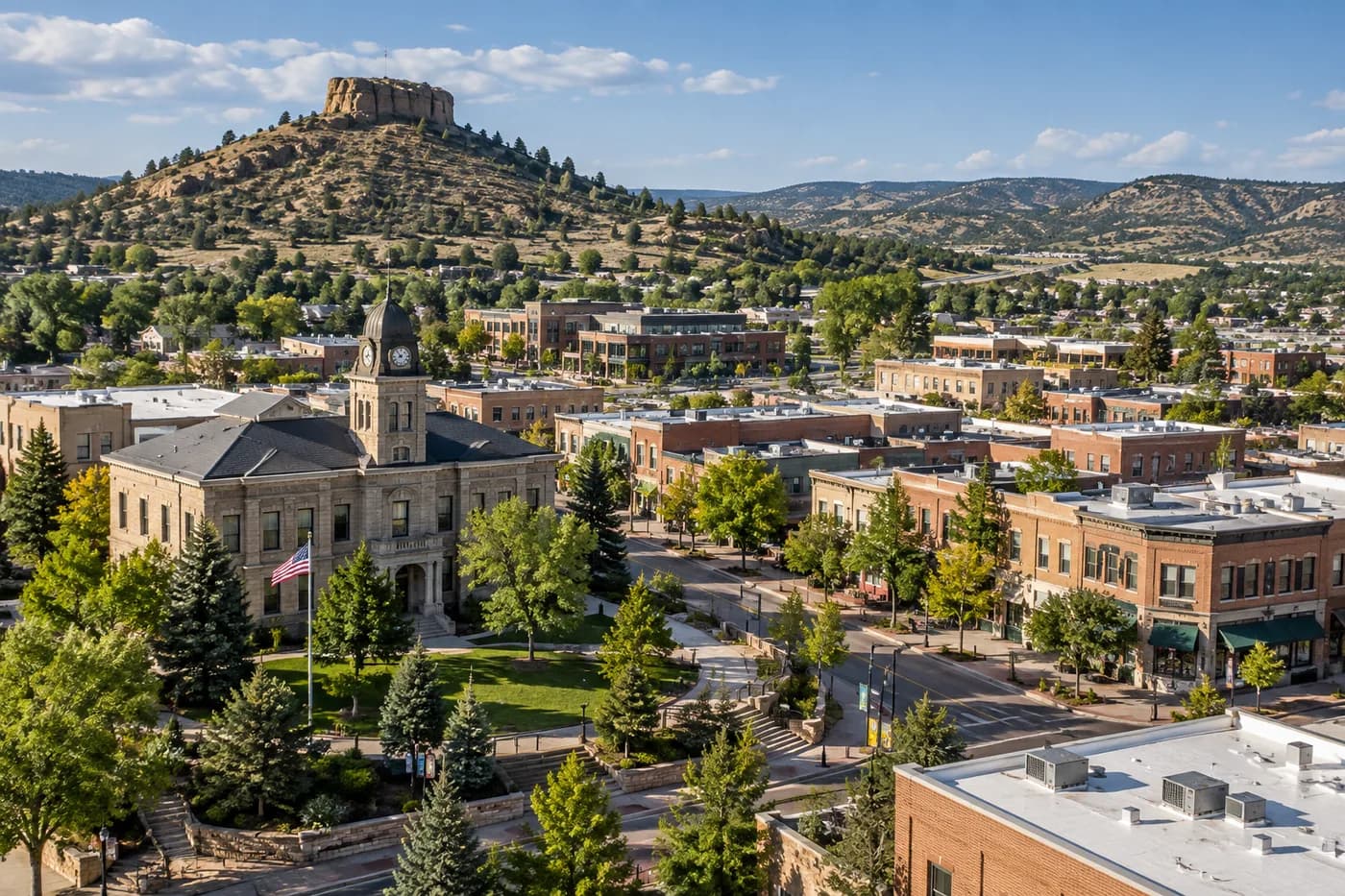
Semi-Arid · suburban setting
Read the local guide →
Semi-Arid · suburban setting
Read the local guide →
Semi-Arid · urban setting
Read the local guide →
Semi-Arid · urban setting
Read the local guide →
Semi-Arid · urban setting
Read the local guide →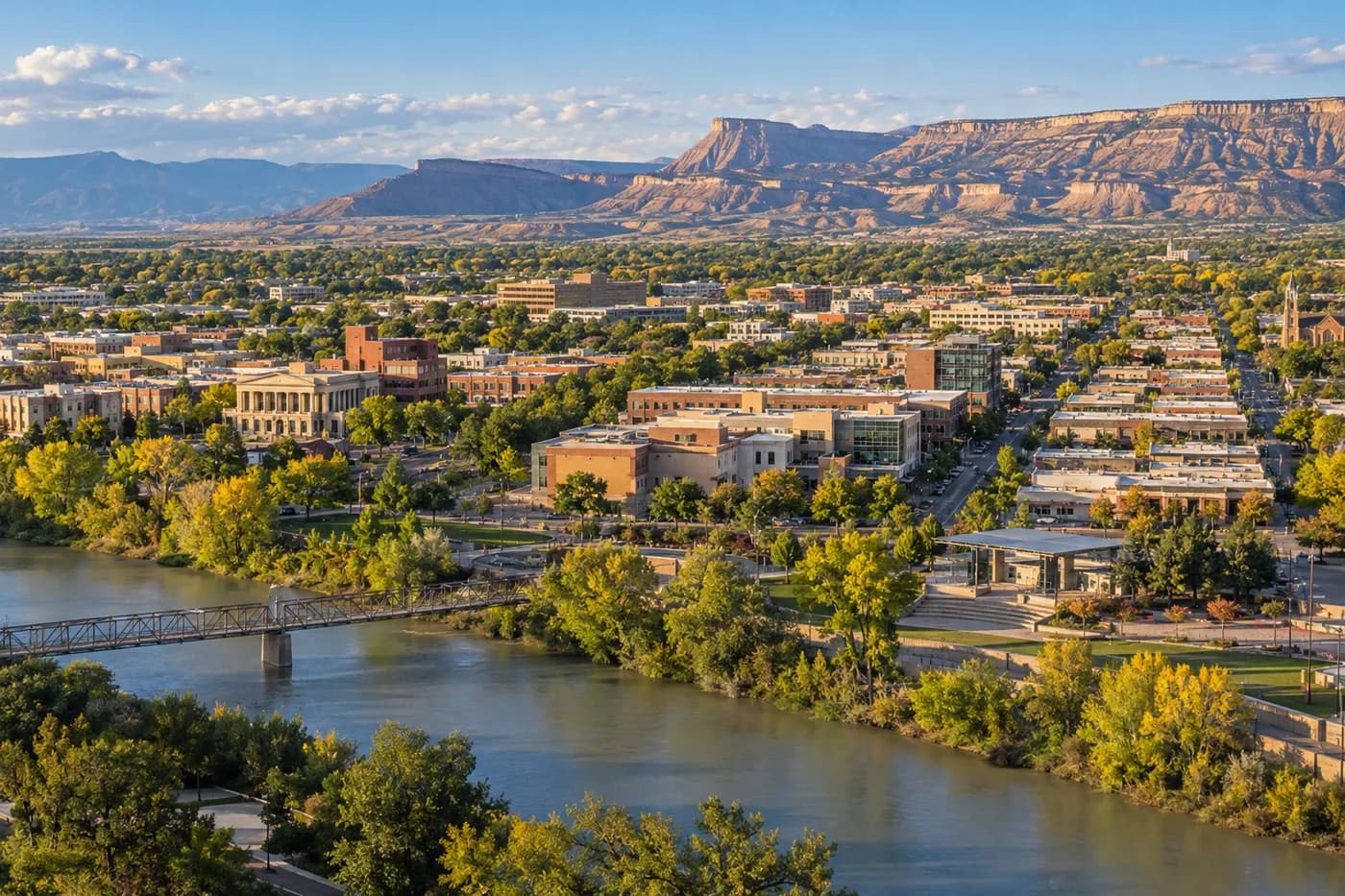
Semi-Arid · suburban setting
Read the local guide →
Semi-Arid · suburban setting
Read the local guide →
Semi-Arid · urban setting
Read the local guide →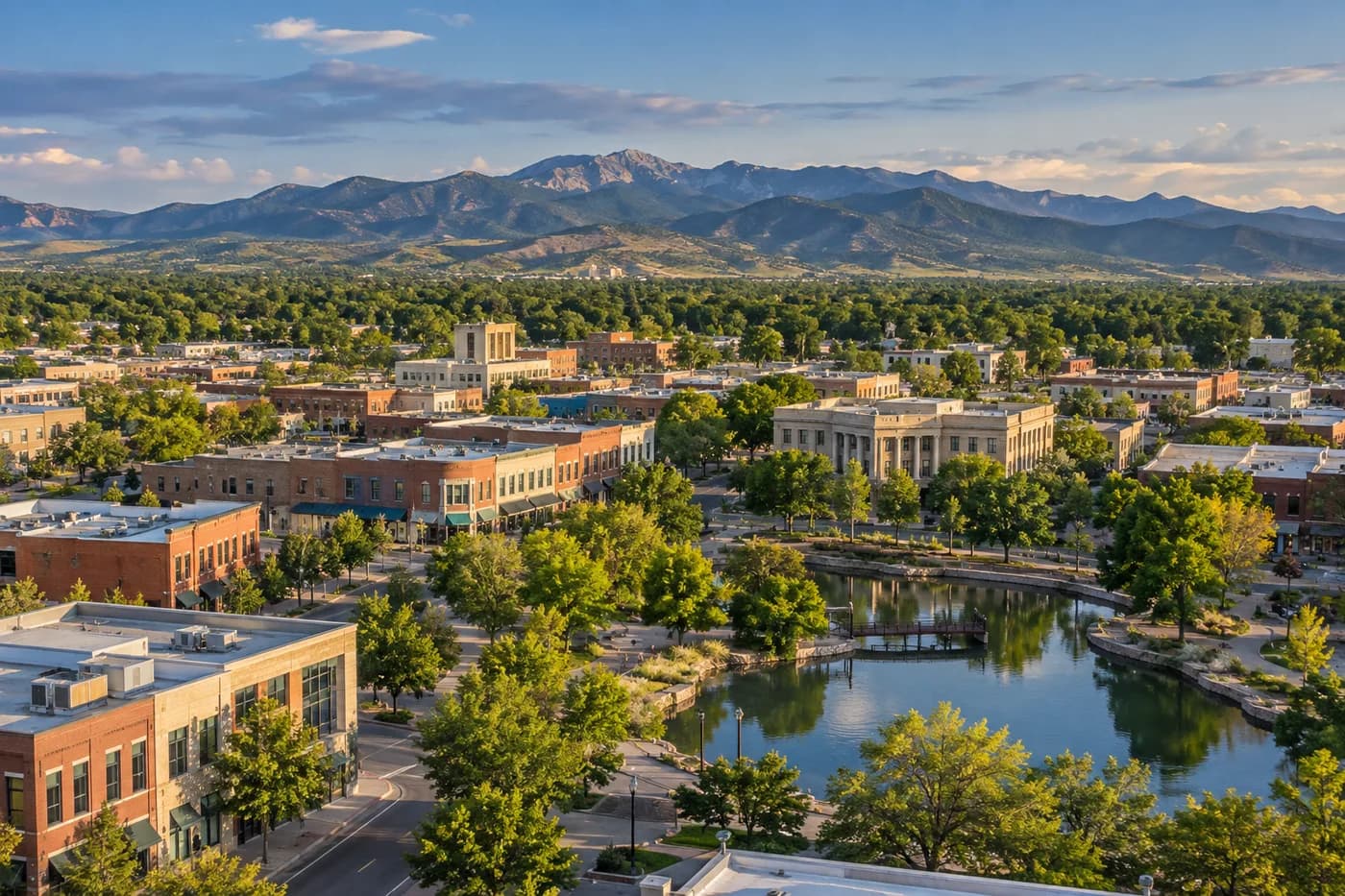
Semi-Arid · suburban setting
Read the local guide →
Semi-Arid · suburban setting
Read the local guide →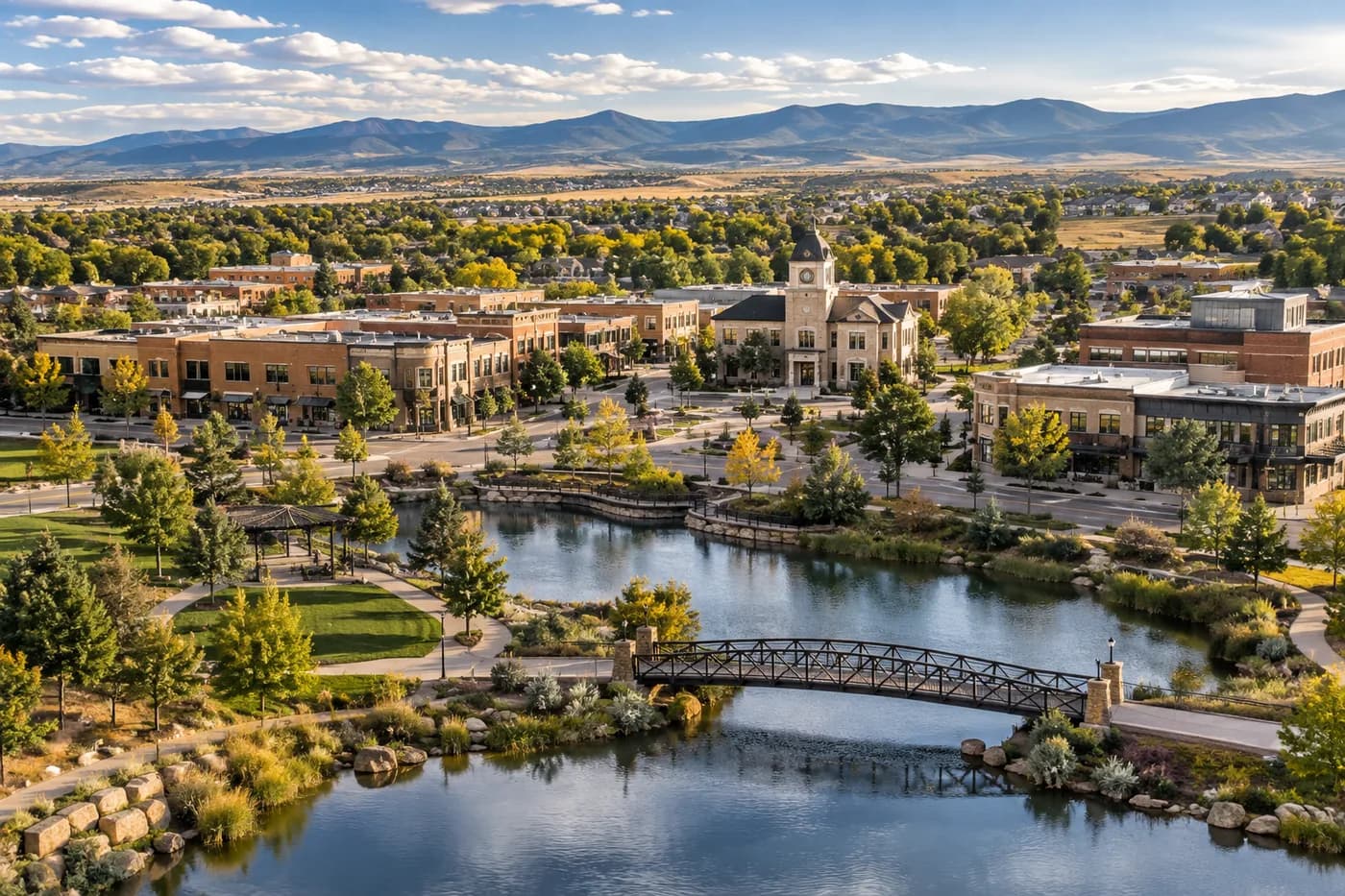
Semi-Arid · suburban setting
Read the local guide →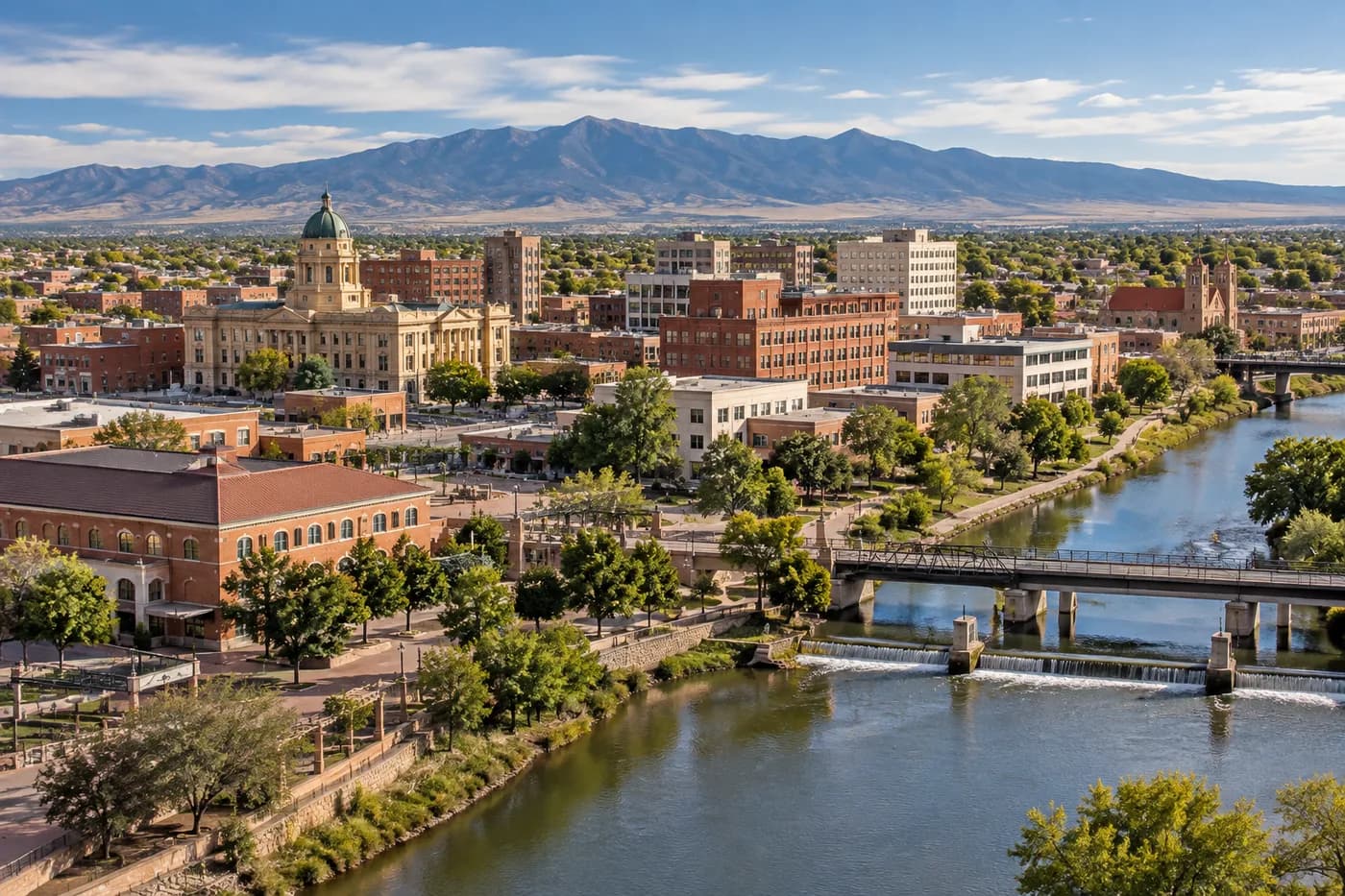
Semi-Arid · urban setting
Read the local guide →
Semi-Arid · suburban setting
Read the local guide →
Semi-Arid · suburban setting
Read the local guide →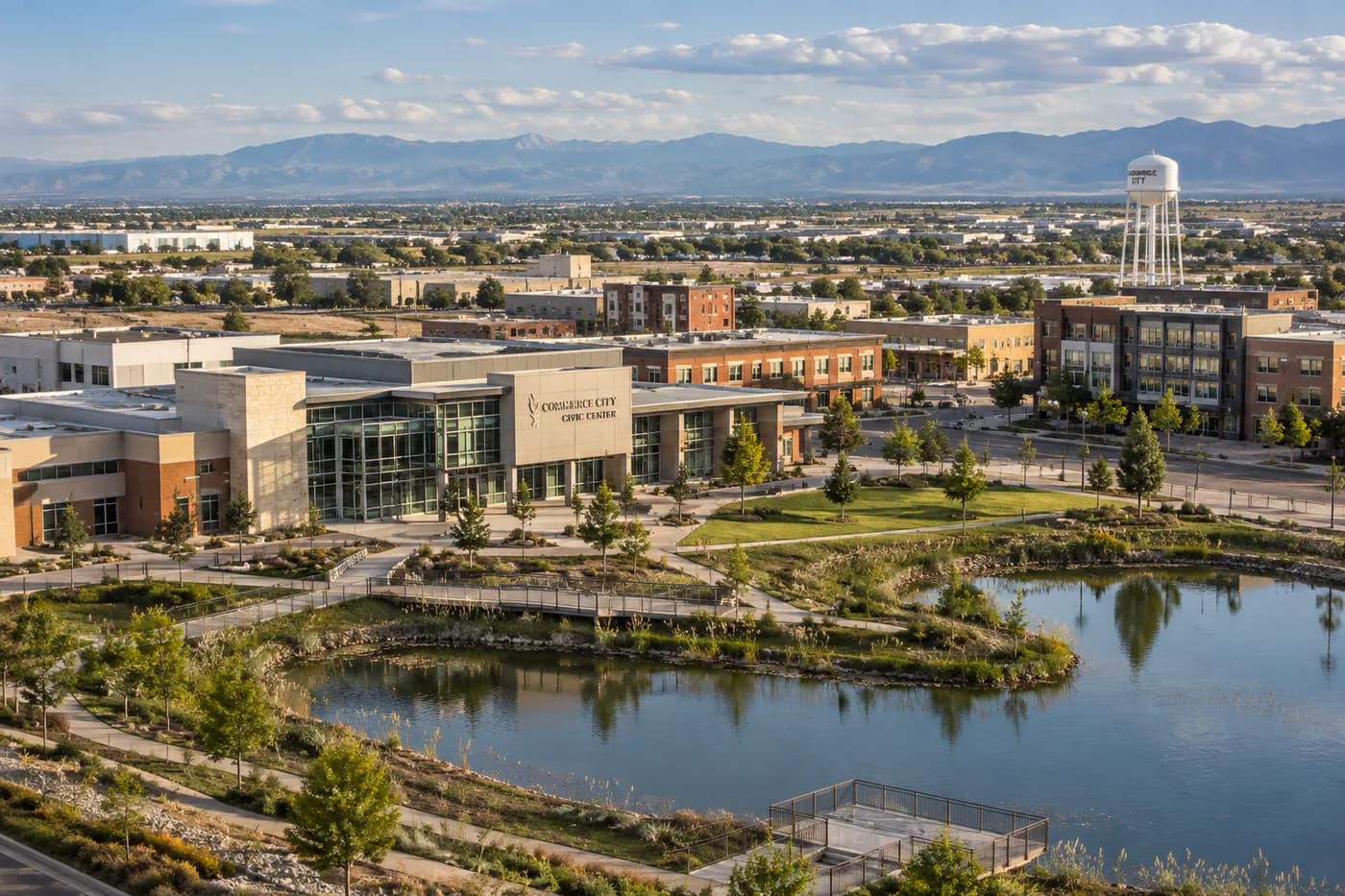
Semi-Arid · suburban setting
Read the local guide →